
The Justice Department said on Thursday it has seized the cloud servers behind FaceStealer, a North Korean scheme that used fake video meetings and AI deepfakes to steal more than $400 million in cryptocurrency over 18 months. The FBI also seized more than 900 webcam videos of victims and published a public warning about the scam. In a separate action, the department obtained court orders to seize or restrain more than $1.2 billion stolen from the Binance exchange in a heist worth more than $6 billion last month. Officials said the thefts help fund North Korea’s weapons programme.
How FaceStealer worked
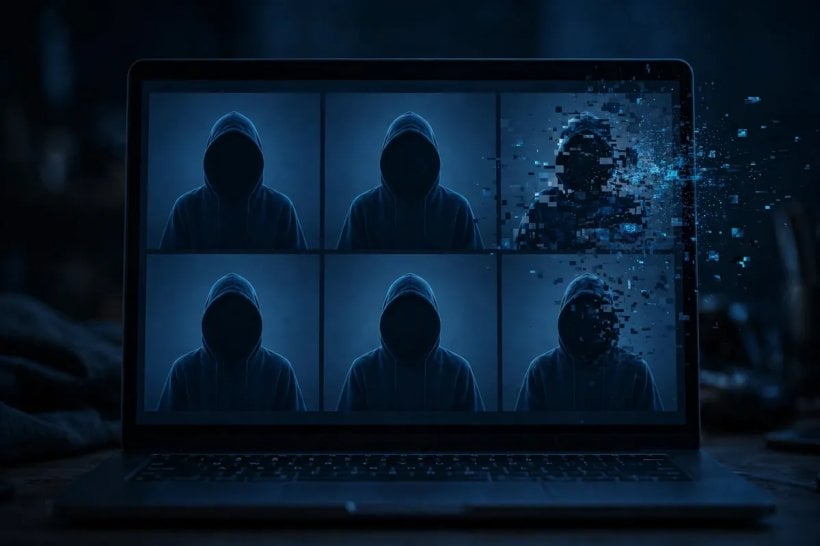
The scheme began with an invitation. Hackers sent targets a meeting invite from an account stolen from an earlier victim, then lured them onto fake versions of Zoom, Microsoft Teams or Google Meet. Once the target joined, the hackers recorded their webcam feed and played back prerecorded video of people the target trusted, making the call look genuine.
The hackers used AI to build deepfake videos of figures in crypto and web3, the department said, making the impersonation harder to spot. Then they faked an audio fault and offered a fix, a link that installed malware on the victim’s computer. From there they could steal cryptocurrency, hijack accounts, and harvest contact lists to target the victim’s colleagues.
The Binance seizure
Separately, the department said North Korean hackers known as TraderTraitor stole more than $6 billion in virtual assets from Binance on or about 29 October. More than $2.7 billion has since been frozen, and courts have authorised the seizure or restraint of more than $1.2 billion. Tracing the rest continues as the actors launder funds through bridges, mixers and exchanges.
Our Read
FaceStealer matters because it shows AI misuse at industrial scale, not as a parlour trick. The deepfakes were not the theft itself, they were the lockpick. The real weapon was trust: a familiar face on a video call, a plausible audio glitch, a helpful-looking fix. No firewall catches that, which is why the FBI’s answer is a warning too.
The target list is the other warning sign. North Korean hackers have moved beyond crypto wallets to the people who maintain open-source software, a foothold for supply-chain attacks. Microsoft researchers recently traced a hidden AI-agent backdoor to Lazarus-linked actors, and FaceStealer shows the same groups now using AI itself as a weapon. The contest is who weaponises AI first.
Why It Matters
This is the shape of AI crime to expect: synthetic media around social engineering, aimed at people whose guard is down because the face on screen is a colleague. Europe has already moved to standardise deepfake safeguards, but rules help only if people know the scam exists. The FBI published its report for that reason.
Background
North Korea has funded its weapons programme with cryptocurrency theft for years, US officials said, stealing billions in recent years. The FBI attributed FaceStealer to Sapphire Sleet, also tracked as UNC1069, a group separate from the TraderTraitor crew behind the Binance heist. Deepfake abuse is not new: an investigation found ordinary apps hiding a deepfake network in plain sight.
Source: Justice Department announcement and Reuters report.




0 Comments