

GitHub has taken its coding agent out of the editor and into the chat apps where developers already spend their day. The company’s @GitHub integration is now generally available in Slack and Microsoft Teams, so a team can turn a conversation into working code — investigating a bug, creating an issue, implementing a change, or opening a pull request — without leaving the thread. It is the widest distribution yet for GitHub’s cloud agent, putting code work where the discussion already happens.
What changed in Slack and Teams
The integration works from inside a conversation: mention @GitHub and describe the work, and the agent takes it from there. GitHub says the agent can investigate a reported bug, file an issue, write the fix, and open a pull request, all while the team keeps talking in the same thread.
Onboarding is faster too: @GitHub now identifies the repository from the message and launches the session without asking the user to select it again, and setup is easier for people who are not signed in, have no default repository, or need to switch repositories. The request, the context, and the result all stay in one place.
Canvas brings the review into Teams
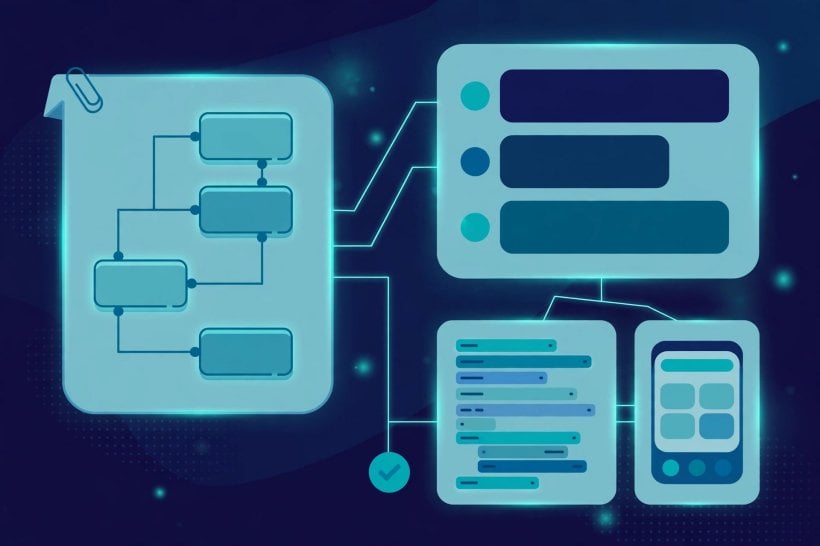
In Teams, the release adds Canvas, a panel where the team reviews implementation plans, code changes, and previews alongside the conversation. Teammates can discuss the work, share feedback, and refine the implementation together without leaving Teams, so the review happens where the request started rather than in a separate pull-request thread.
GitHub also fixed an issue that could stop the agent answering follow-up messages, and it tightened attribution: issues and pull requests created by @GitHub now carry a line in their description saying they were created from a Slack or Teams conversation, with the name of the person who started it. That keeps the trail visible when work begins in chat.
Our Read
This is GitHub putting its cloud agent where developers actually coordinate, rather than waiting for them to come to the editor. Slack and Teams are where a bug report lands first and where a fix gets discussed, so meeting the team there removes a handoff.
The move follows the same logic as Copilot’s arrival in Xcode and JetBrains Air: the agent goes to the surface the developer is already on. It answers a rival threat — Anthropic’s Claude Code now sets up its own cloud sessions, and Cursor keeps adding cloud launches — by making GitHub’s agent the easiest one to summon from a conversation.
The risk is noise: an agent that answers in chat can fill a channel with half-finished work if teams summon it casually. GitHub’s attribution line and the Canvas review step are the counterweights, but they only help if teams actually read the plan before the code lands.
Why It Matters
Coding agents are competing on where they can start work, not just how well they write it. GitHub’s cloud agent drafts a large share of the platform’s changes — agents now start over 40% of GitHub’s pull requests — and putting the trigger inside Slack and Teams widens that funnel to everyone in the conversation, not just the developer typing.
For teams, the change is smaller than the headline: a bug discussed at 9 a.m. can become a pull request by 9:15 without anyone opening an editor. Whether that speeds delivery or just moves the review burden into chat depends on how teams use the Canvas step — and whether the agent’s first draft is worth the thread it creates.
Background
GitHub has spent the autumn pushing Copilot onto every surface developers use, from Xcode and JetBrains Air to a model router that picks the right model for each task. The Slack and Teams launch, announced on 6 November, extends that push into workplace chat, where the company’s cloud agent meets the conversation instead of waiting for a ticket.
Source: GitHub’s changelog announcement and a write-up of the launch.


0 Comments