

Longeye, the San Francisco startup building an AI investigative platform for the justice system, has raised a $20 million Series A led by N47, with participation from Andreessen Horowitz’s American Dynamism practice. The round takes Longeye’s total funding to $25 million since it launched in late 2025, and the company says more than 50 justice agencies — local, state and federal — already use its platform to work through digital evidence.
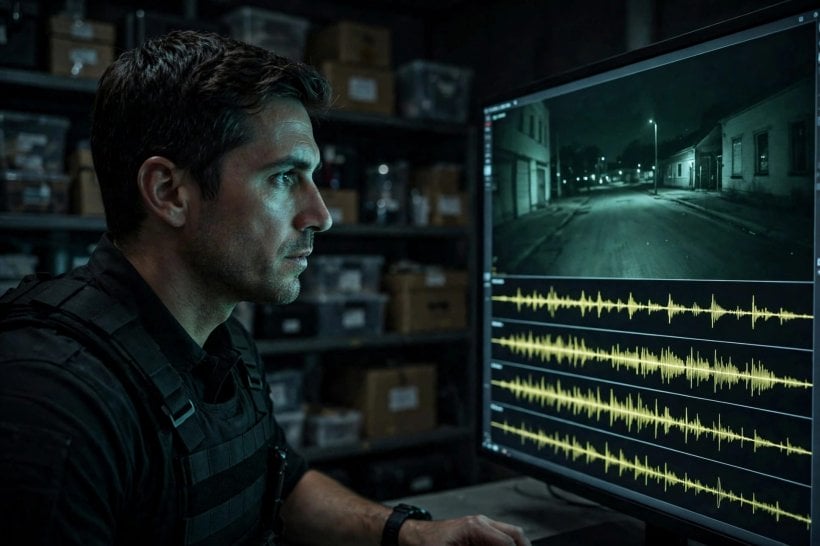
Evidence Volumes No Team Can Read By Hand
The workload behind the raise is measurable because Longeye published it. Agencies on the platform have worked more than 2,300 investigations, reviewing over 15 million pages of documents, more than 10 million images, over 32,000 hours of audio and video, and more than a billion rows of financial and phone records. The company estimates that material represents more than 200,000 investigator-hours of review — the equivalent of about 100 investigators working full-time for a year. The casework includes at least 230 homicide investigations and at least 160 sexual violence cases.
The platform ingests the mixed material of a modern case file — jail calls, warrant returns, phone extractions, video, financial records and large document sets — and lets investigators question it in plain English, build timelines, and spot discrepancies between witness statements. Longeye built what it calls the Faraday Method, an engineering framework designed around criminal-justice requirements, and has filed patents for a citation engine that ties every finding back to the original message, document or recording it came from, so an investigator can verify a result before relying on it. The company says the platform meets the FBI’s Criminal Justice Information Services security requirements, and agencies keep ownership of their data.
Who Is Backing It, And What The Money Is For
N47 led the round; a16z’s American Dynamism practice, the firm’s vehicle for companies serving national priorities, participated. Longeye will put the capital into sales and marketing, product development and an expanded ambassador programme that trains agencies to adopt AI workflows responsibly. Co-founder and chief executive Guillaume Delépine frames the product as leverage for detectives rather than a replacement for them.
The raise lands in a busy stretch for AI companies selling to the state: Gecko Robotics had its Navy and GSA contract ceiling quadrupled to $300 million this week, and Helsing confirmed a commercial partnership with drone maker Destinus. Longeye’s round is smaller, but it sits in the same pattern — investors paying for AI that does operational work for governments.
Why It Matters
Longeye’s numbers describe the actual bottleneck in modern policing: not a shortage of evidence but a surplus of it, sitting unreviewed because no staffing level can watch 32,000 hours of recordings. A platform that makes that archive searchable changes which cases get solved — the 230 homicide investigations already run through it are the proof point investors are buying. The open question is trust: findings that end up in court have to survive defence scrutiny, which is why the citation engine, linking every AI answer back to its source recording, may matter more than the search itself.
Background
Longeye launched in late 2025, into a law-enforcement technology market where body cameras, phone extractions and digital records have made evidence volume grow far faster than detective headcount. Its Series A follows the now-familiar shape of government-AI funding: a young company, a named operational pain, and usage figures large enough to argue the tool is already embedded before the category has a leader.
Source: Longeye via Business Wire; Inc.




0 Comments