
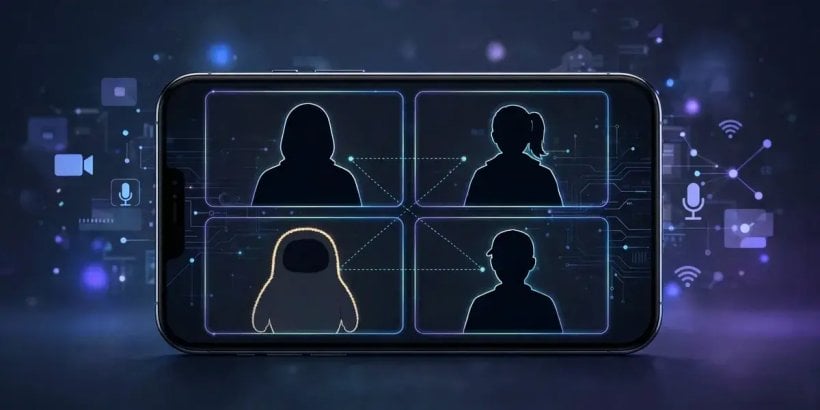
Meta’s chief AI officer Alexandr Wang posted an AI-generated video of rival chief Sam Altman to promote Muse, the company’s consumer AI agent. In the clip, Altman joins a four-way video call dressed as Jolly, Muse’s furry mascot in a hooded suit and face paint.
What Wang posted
The clip shows Wang, Meta chief executive Mark Zuckerberg, Altman and Jolly on a video call together. When Altman joins, he wears a furry hooded suit and face paint to look like the cutesy character, under the caption about meeting to discuss OpenAI product strategy.
Wang has been promoting Muse with unusual energy, posting hundreds of times and dismissing traditional marketers as corposlops. The clip fits that anti-PR style: a joke at a rival’s expense, posted by the executive running Meta’s AI push, posted on Instagram.
The video carries an AI label, which Meta requires for AI-generated videos showing real people. Meta spokesperson Tracy Clayton confirmed the clip is labelled, and noted that Altman had made his likeness available for AI generation, as when OpenAI launched Sora.
The gap in Meta’s own rules
The problem is what Meta does not require. AI-generated still images of people need no label at all, so an AI image of actress Mia Goth spread across Instagram in October with no disclosure, even after her representatives complained to Meta.
Her representative called it incomprehensible that Instagram let the image spread instead of focusing on protecting a public figure’s likeness. The image came from a fan account carrying Instagram’s own blue verification badge, and it was eventually removed after the complaints.
The contrast is the story. A video of a rival chief executive, made by Meta’s own AI chief, is allowed because it carries a label. A still image of an actress, posted by a fan account, spread without one because the rules never asked for it.
Our Read
Wang’s clip is a stunt, not a deception: it is labelled, and Altman opened his likeness to AI generation. The significance is who posted it. When the executive in charge of a platform’s AI policy uses deepfakes to market a product, the policy looks like a choice, not a principle.
OpenAI did not respond to requests for comment, so Altman’s own view of the clip is unconfirmed. That silence matters less than the precedent: a major tech executive has now used a rival’s likeness as marketing, and the platform’s rules blessed it.
Why It Matters
AI-generated images of real people are now part of the texture of social media, and the rules are still catching up. If videos need labels but images do not, the gap is not a detail: it decides which fakes the public sees as fakes, and which it sees as real.
Background
Muse is Meta’s consumer AI agent, launched into a direct race with OpenAI’s ChatGPT and other assistants. Wang’s posting spree is part of that race: hundreds of messages in weeks, aimed at making Muse the agent people reach for first.
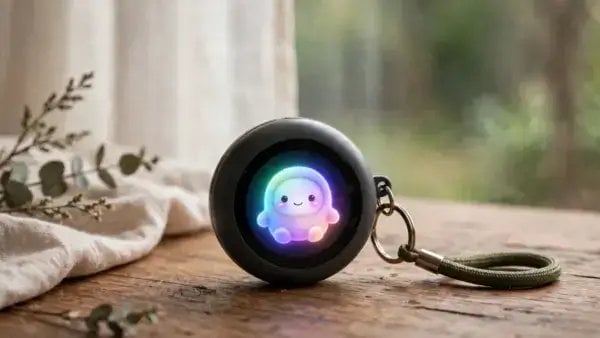
Muse has had a busy month on Meta’s own terms, from a $300 Muse Charm with free Verizon 5G to reports that Muse read Signal messages and sent chats to the wrong staff, and this deepfake clip is the latest twist.
Source: The Verge



0 Comments