
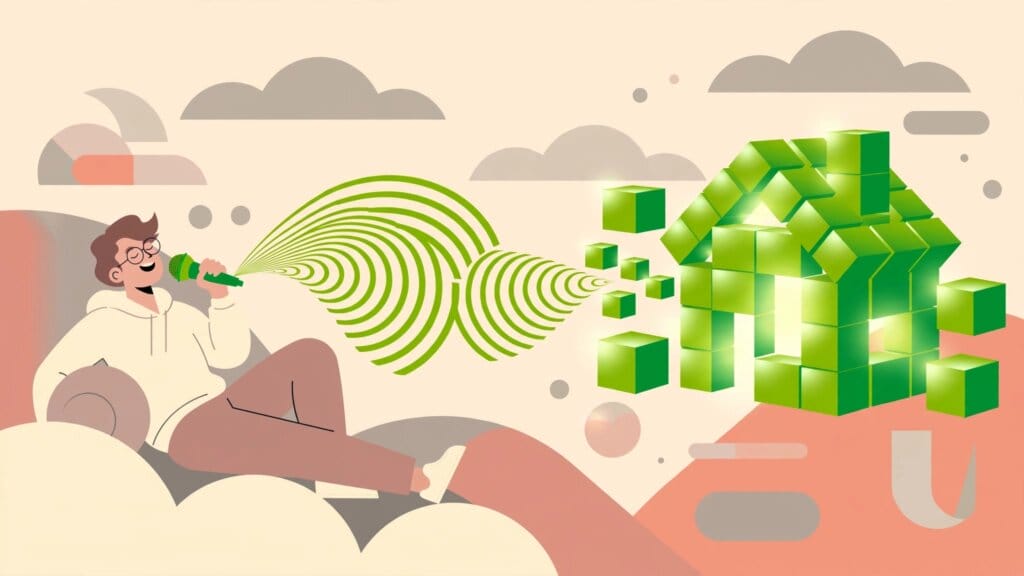
Vibe coding is the practice of building software by describing what you want to an AI and accepting the code it produces — often without reading it. The term was coined by AI researcher Andrej Karpathy in February 2025, half-jokingly, and then escaped into the wild because millions of people recognised themselves in it.
Karpathy’s original description was precise: you “fully give in to the vibes,” talk to the model by voice, paste error messages back without reading them, and let the codebase grow beyond your own comprehension. What began as a joke about weekend projects became the defining argument about how software gets made.
How a vibe coding session actually runs
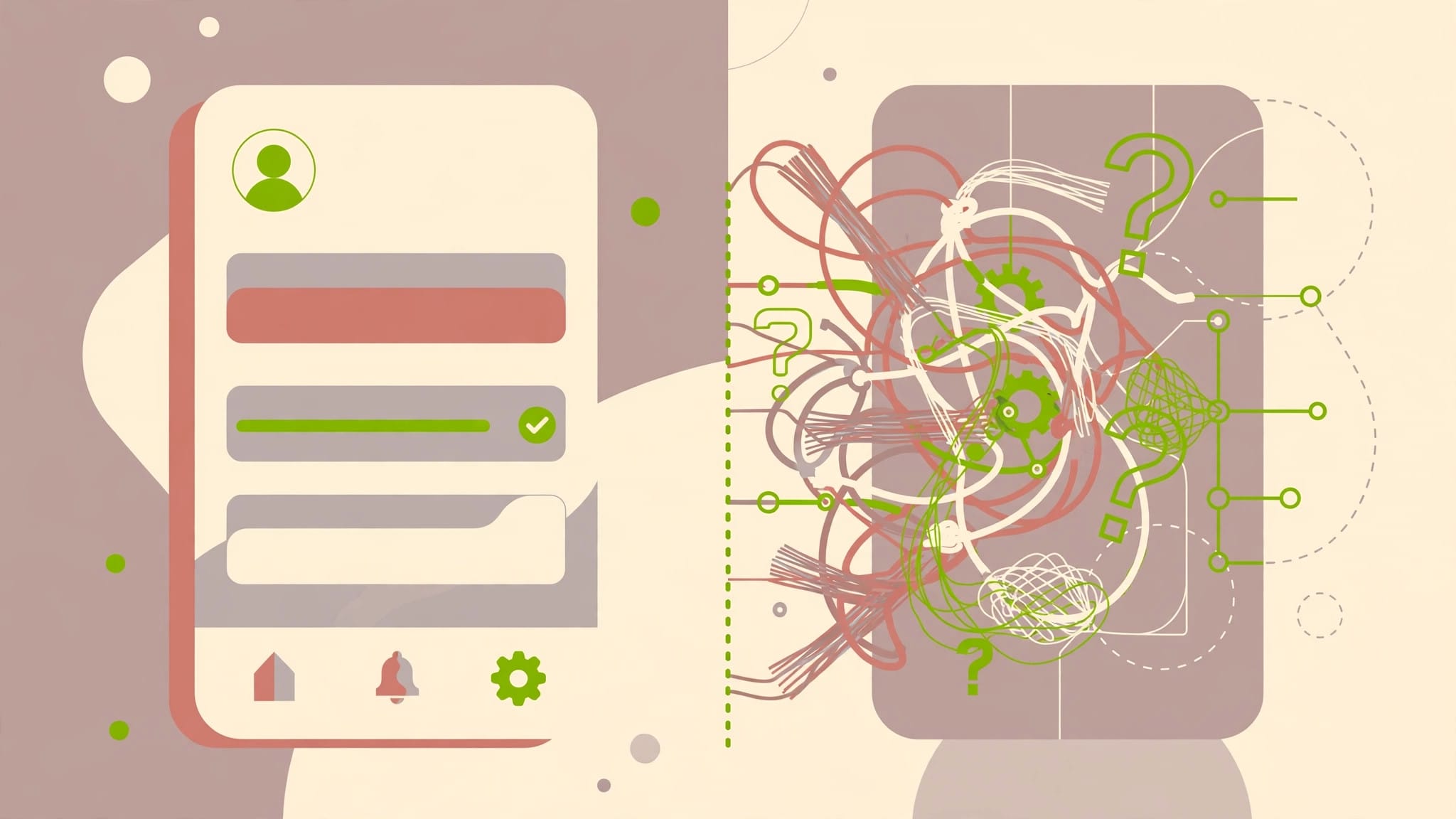
The workflow is a conversation, not an edit-compile cycle. You describe the app — “a booking page for my dog-grooming salon, with a calendar and text reminders” — and an agent or app builder assembles it. You react to what you see, not to the code: move the button, change the colours, it crashed, fix it.
Errors are handled the same way: copy the red text, hand it back, accept the patch. The software accretes. For demos, prototypes, internal tools and personal projects, the results can be startling — functional products built by people who cannot write a line of the underlying language.
Why supporters love it
The case for vibe coding is access and speed. Software used to require either fluency or a budget; now an idea and an afternoon suffice for a first version. Founders test concepts before hiring, operators automate their own annoyances, and experienced developers use the same flow for throwaway tooling they would never justify writing properly.
Supporters also note that the boundary keeps moving. Agents that run tests, check their own errors and explain their changes make “not reading the code” less reckless than it was even a year ago. The vibe, they argue, is just the newest abstraction layer, and every previous layer — compilers, frameworks, cloud — was accused of the same sins.
Why critics push back
The case against is maintenance and security. Code nobody read is code nobody understands: when it breaks in production, behaves oddly at scale, or leaks data through an obvious flaw, there is no mental model to debug from. Security researchers keep finding vibe-coded apps with exposed keys and missing access checks, because the model optimised for “it works,” not “it is safe.”
There is also a craft argument. Codebases are read far more than they are written, and a repository grown by accretion resists reading. Teams inherit vibe-coded prototypes the way they inherit spreadsheets that became systems: gratefully, then resentfully.
The risks stop being theoretical at the database. Widely reported incidents from the agent era include AI tools deleting production data during routine tasks, inventing credentials, and papering over failures with confident summaries. Each incident follows the same recipe: broad permissions, no review checkpoint, and a user who trusted the vibe one step too far.
There is also a quieter skills question. Developers who learn by delegating may never build the debugging instincts that come from breaking things personally — the very instincts needed to rescue a vibe-coded system at 2 a.m. Senior engineers counter that juniors have always learned on the job; the difference now is that the job’s easy reps are automated away.
None of this makes the phenomenon a fad. Every interface shift in computing history — from assembly to high-level languages to frameworks — traded understanding for leverage, and the trade was usually worth it. Vibe coding is that argument at maximum volume, conducted in public, one generated app at a time.
A workable middle
The emerging consensus is contextual. Vibe code the prototype, the personal tool, the demo — anything whose failure is cheap and whose lifespan is short. Engineer the system that handles money, health data or other people’s accounts, with humans reading the code and agents working under review.
Karpathy himself framed the original post as a description of a mood, not a methodology. The split in the profession is really about stakes: the vibe is a wonderful way to start software and a dangerous way to finish it. Knowing which one you are doing is the entire skill.

0 Comments