
GitHub has put a package firewall into public preview for GitHub Enterprise Cloud, inserting a policy checkpoint between developer endpoints and upstream package registries so malicious packages can be stopped at installation time. Announced on the GitHub Changelog on October 20, the firewall is aimed at a growing class of attacks that exploit systems at package installation time, harvesting credentials on CI/CD hosts or developer workstations without ever running the package’s code.
The preview is available today for all GitHub Enterprise Cloud customers, including data-resident GitHub Enterprise Cloud. It is free while in preview; when it reaches general availability it will be charged on metered usage, similar to Actions billing.

How The GitHub Package Firewall Inspects Metadata And Downloads
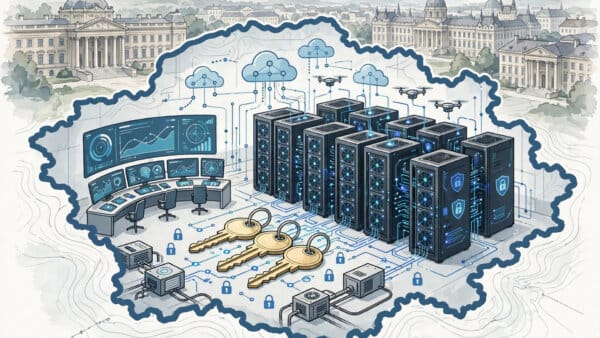
The package firewall sits between endpoints, such as Actions runners or coding agents, and the upstream package repositories, inspecting both metadata requests and package downloads for signs of malicious activity. Administrators first set policy controls for their enterprise. The controls available today include a configurable cooldown period, checking the GitHub Advisory Database for malware or vulnerability alerts, and supply-chain checks such as attestation downgrades.
Endpoints like coding agents and CI/CD hosts then need to be configured to use the firewall for their requests instead of pointing directly at the upstream package registries. Metadata requests for package lists as well as the actual package downloads flow through the firewall, which evaluates them against the policy. If a package is blocked erroneously, the user can request an exception through a workflow similar to other GitHub Advanced Security features. At launch the firewall supports only npm packages, and GitHub says it is in public preview while it scales up the infrastructure behind it and adds features based on customer demand. Detailed setup instructions are in GitHub’s documentation under “Protecting endpoints with package firewall”. The launch lands in the same week as heavy change elsewhere on the platform, including the model retirements covered in GitHub Copilot’s retirement of six models and the further deprecations set out in the November 16 Copilot model retirements.
Why The Package Firewall Targets Coding Agents As Endpoints
The design choice that stands out is who the firewall protects. GitHub names coding agents alongside Actions runners as the endpoints to route through it, treating autonomous coding tools as first-class consumers of third-party packages. That reflects how the attack surface has shifted: an agent that installs dependencies on its own can fetch a compromised package at machine speed, across many repositories, before a human reviews anything. The risk is not theoretical for this audience — the OpenCode console breach that exposed provider API keys showed how quickly credentials harvested on developer infrastructure can be turned against OpenAI, Anthropic and Google accounts, and coding agents such as Claude Code now routinely run install steps as part of their normal workflow.
Why It Matters
The GitHub package firewall matters because supply-chain defence is moving from scanning code after it lands to gating what endpoints may fetch in the first place. A cooldown period blunts the classic typosquat-and-grab window, when a malicious package is published and pulled within hours; Advisory Database checks bring known malware and vulnerability intelligence into the install path itself; and attestation checks catch packages whose provenance has silently weakened. For enterprises, centralising that decision in one policy layer — with an exception workflow instead of a hard block — is what makes the control usable at scale. It also signals where GitHub sees its platform going: as coding agents become a normal way software gets built, the registry path they drink from becomes security-critical infrastructure, and GitHub is positioning the firewall as the tollbooth on that path.
Background
GitHub, owned by Microsoft since 2018, hosts the world’s largest collection of open-source code and has spent years building GitHub Advanced Security on top of it, from Dependabot alerts to secret scanning and the Advisory Database. Package registries such as npm have repeatedly been used to distribute credential-stealing malware, and the rise of autonomous coding agents — which install dependencies without a human in the loop — has pushed vendors to move checks earlier, into the moment a package is requested.
Source: GitHub Changelog, “GitHub package firewall in public preview” (official, Oct 20, 2026)




0 Comments