
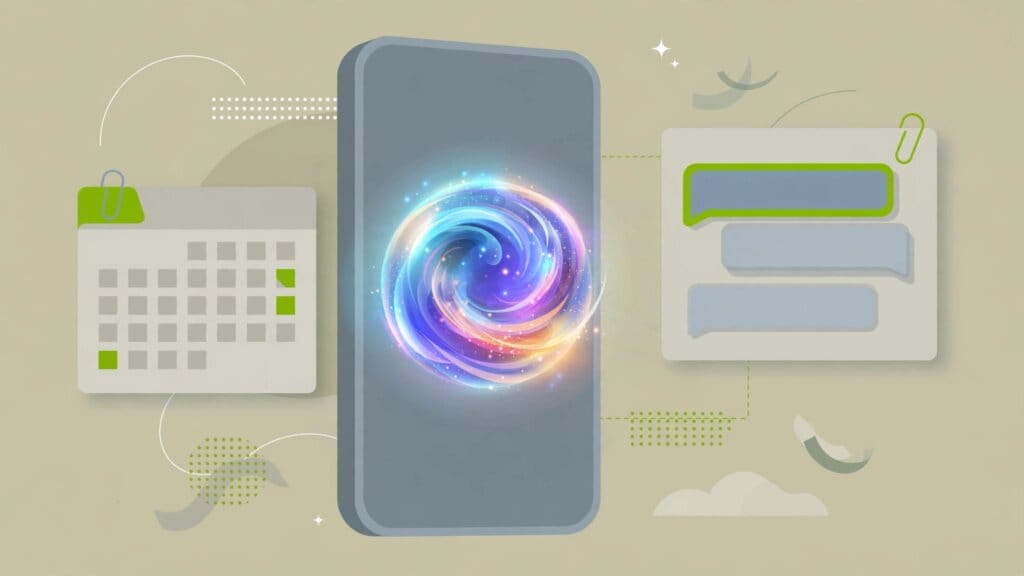
The new Siri is Apple’s long-promised reboot of its voice assistant, rebuilt around modern generative AI. The old Siri could set timers, send short messages and answer basic questions reliably. It struggled, often visibly, with follow-up questions, messy phrasing and anything that required understanding context across more than one step.
Apple’s answer was not a cosmetic update. Siri was rebuilt to understand natural language better, remember the thread of a conversation, know more about what is on your screen, and take actions inside apps on your behalf. It began rolling out as an English-language beta on 14 September 2026 with iOS 27.
What Changed With The Reboot
The most obvious change is conversation. The new Siri is designed to cope with the way people actually speak, including corrections mid-sentence, vague references and follow-ups that assume it remembers the last question. Ask about a meeting, then ask it to move the meeting, and the assistant is meant to know which meeting you mean.
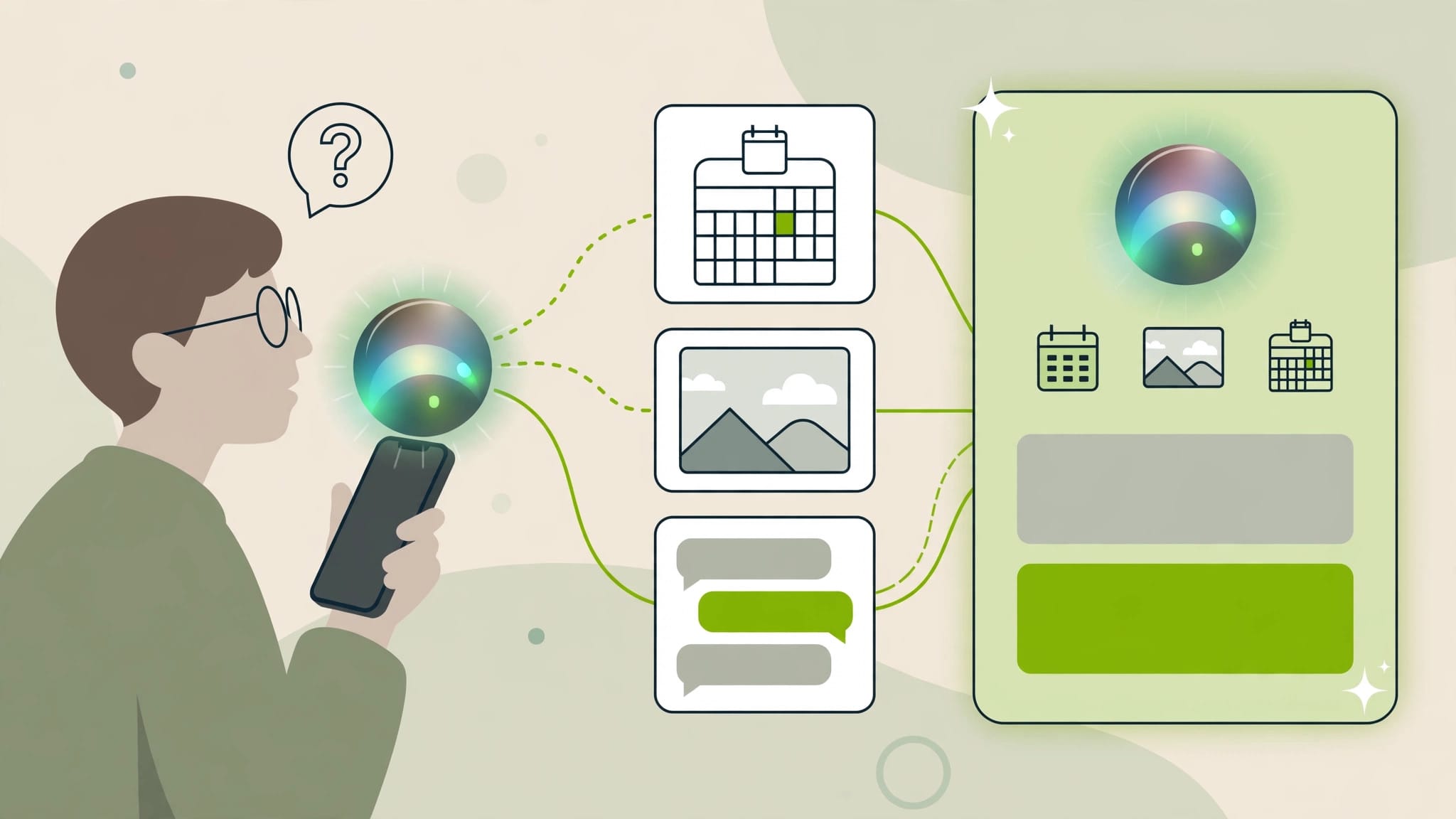
Personal context is the second big change. With permission, Siri can draw on information already on the device, such as messages, emails, calendar entries and photos, to answer questions about your own life. Finding a booking detail someone sent you weeks ago, or a photo from a specific event, is the kind of task this is built for.
On-screen awareness and app actions complete the picture. Siri is meant to understand what you are looking at when you ask, and to carry out steps inside apps rather than simply opening them. That moves the assistant from a voice shortcut towards something closer to an agent that can complete a short task end to end.
None of this makes Siri infallible. Complex or ambiguous requests can still fail, and multi-step actions deserve a check before they are confirmed. The reboot raises the ceiling of what Siri can attempt, which also raises the importance of showing its working clearly before it sends, books or changes anything important.
How Gemini Powers The New Siri
The engine behind the reboot is the headline. The new Siri is powered by Google Gemini models, licensed from Google and adapted to run within Apple’s own systems. Apple’s own foundation models had lagged the frontier, and rebuilding Siri on a stronger outside model was the fastest route to a competitive assistant.
Apple has been careful to frame this as a technology layer, not a handover. Requests are still handled through Apple’s architecture, including on-device processing for simpler tasks and Private Cloud Compute for larger ones. The Gemini models provide much of the language and reasoning power, while Apple controls the interface, the permissions and the privacy rules around them.
That distinction matters for users. You are still talking to Siri, inside Apple’s apps, under Apple’s settings for what the assistant can access. At the same time, the quality of the answers now depends in part on a rival’s models, which is a significant shift for a company that usually prefers to own the core technology in its products.
Rollout, Limits And What Comes Next
The rollout started narrow, as large AI launches now usually do. The initial release was an English-language beta with iOS 27, and it excluded the European Union at launch. Staged rollouts let Apple test accuracy and safety at scale, and regional rules on AI and data can also slow or reshape a launch in specific markets.
China was handled differently. A China launch was reported for December 2026 using Alibaba models rather than Gemini. That arrangement reflects the practical reality that AI services in China operate under local rules and partnerships, and even a company of Apple’s size has to adapt its stack market by market.
For everyone else, the practical questions are simpler. Does Siri understand you more often, fail more gracefully when it cannot help, and save time on the small tasks you repeat every day? Those everyday tests, not launch presentations, will decide whether the reboot is remembered as a genuine fix or as another promise.
Siri also remains strategically important beyond its own features. It is the front door to Apple Intelligence across iPhone, iPad, Mac and Apple’s other devices, and the piece users judge most directly. If the new Siri earns trust, the rest of Apple’s AI suite benefits with it. If it stumbles in public, the whole programme will be judged by those stumbles first.

0 Comments