
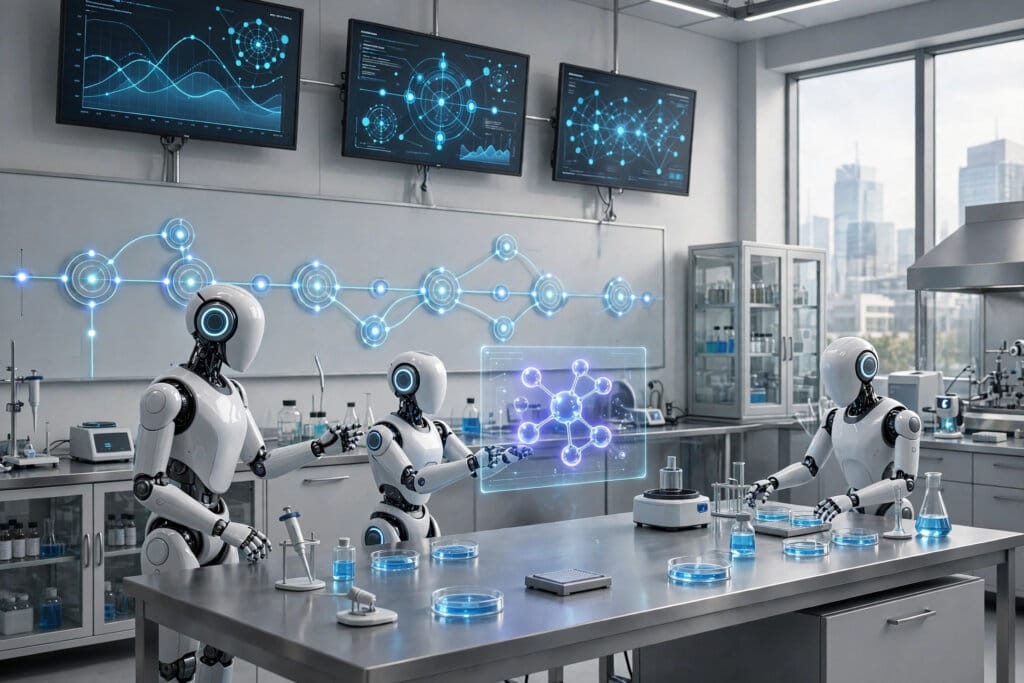
OpenAI has acquired Orchestra Bio, a startup that builds AI agents to manage the operational work of drug development, and will fold its team and technology into Rosalind, OpenAI’s life-sciences platform. OpenAI announced the deal on Tuesday, October 20, in a post on X, and Axios first reported the acquisition. Financial terms were not disclosed.
Orchestra Bio’s platform is what the company calls an agentic operating layer for drug programs: software that sits above a development program and coordinates work across its phases, with AI agents handling hands-on tasks alongside human scientists.
Orchestra Bio: Agents For The Work Around The Molecule
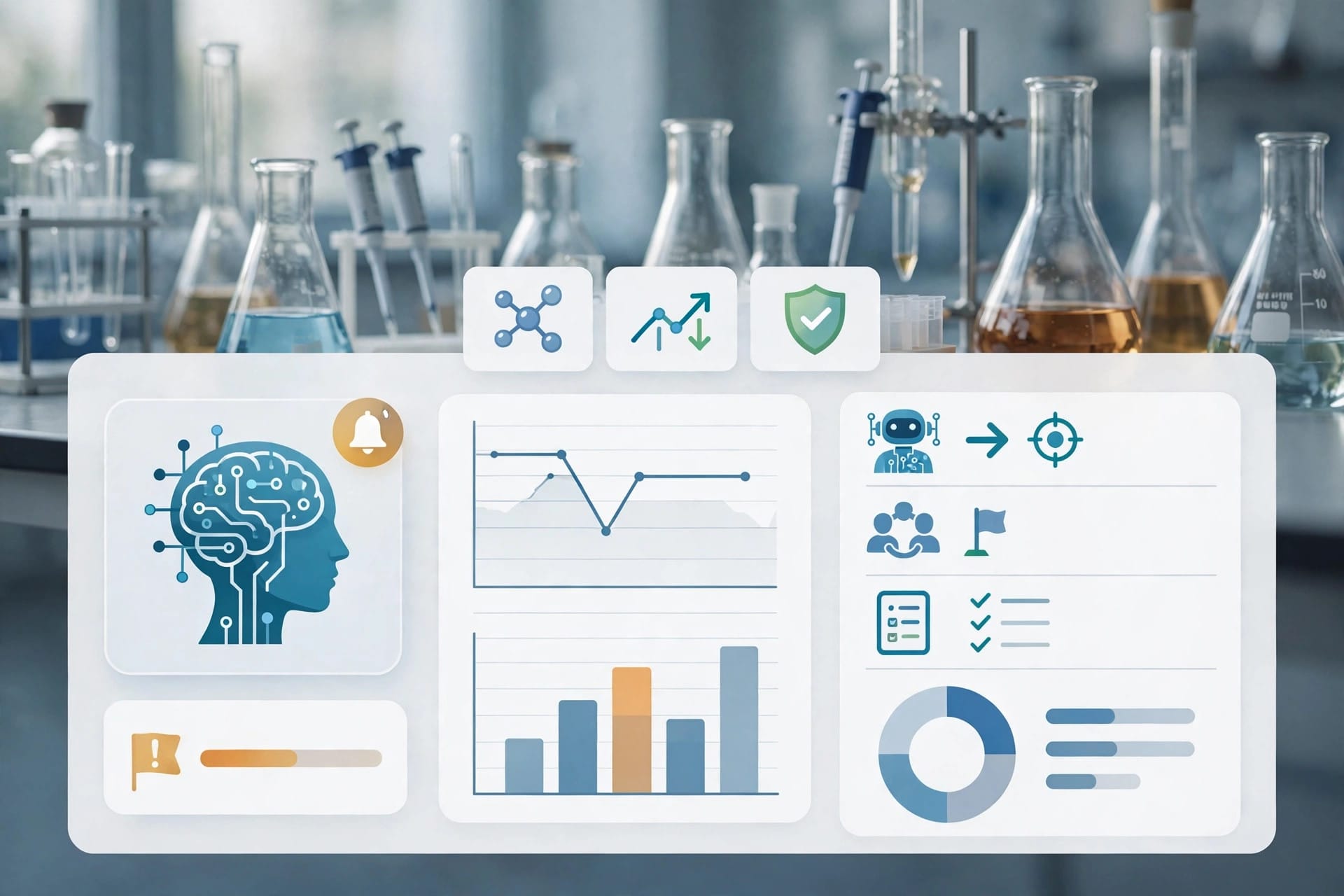
Most AI-in-biology startups pitch molecule discovery — let the model find the drug. Orchestra Bio pitched the opposite end of the pipeline: managing the program around the molecule. According to OpenAI’s announcement, researchers can hand agents tasks such as monitoring ongoing studies, tracking development timelines and dependencies, and spotting possible delays before they become expensive.
The stated goal is to connect scientific findings with concrete decisions and next steps in the pipeline. OpenAI notes that developing a new drug typically takes 10 to 15 years in the United States, and it expects agent-run operations to help shorten that timeline. Decision-making stays with the human teams; the agents handle the monitoring, tracking and planning load between decisions.
Orchestra Bio was founded around October 2022 by Ashoka Rajendra, who drew on biology research and life-sciences software experience, and it raised seed financing in late 2022. BiotechTV reported in August 2025 that the company had emerged from stealth with $20 million raised. Rajendra and the Orchestra team now join OpenAI’s life-sciences business. The deal structure mirrors how the largest labs have been buying applied teams this year, a pattern also visible in Disney’s hiring of most of Character.AI’s staff, though that was an acqui-hire out of a bankruptcy filing rather than a purchase.
Rosalind: OpenAI’s Life-Sciences Suite Gains An Operations Layer
Rosalind is OpenAI’s suite of models and tools for biology and drug discovery. In April, OpenAI introduced GPT-Rosalind, a specialised model for complex tasks in biology, chemistry and drug discovery, and the company also works with pharmaceutical manufacturers Novo Nordisk and Moderna on integrating AI into research and development.
Until now, that stack was weighted toward the research side — reasoning over biology and chemistry. Orchestra adds the operational side: program management across studies, vendors and timelines. AI Weekly reported that Rosalind launched this month with a 30-seat academic plan, positioning the suite for both academic and commercial biopharma users. The acquisition is a company-level move for OpenAI, in the same filing family as the business covered in our breakdown of how OpenAI makes money: an acquired team and product folded into an existing OpenAI platform, rather than a new consumer feature.
Why It Matters
The acquisition’s significance lies in which layer of drug development it targets. The industry’s public AI story has been discovery — models proposing molecules — but programs more often stall on operations: studies that drift, dependencies nobody flagged, timelines that slip quietly. If Rosalind’s agents can credibly watch those seams, OpenAI gains a workflow product biopharma companies can buy without betting a discovery program on a model. For rivals, the pressure is comparative: Anthropic bought AI biotech startup Coefficient Bio for a reported $400 million in April, according to reports, and both labs are now racing to show their tools matter inside medicine, not just in coding and cybersecurity. For Orchestra’s founder and team, the exit after roughly four years also validates the unglamorous end of the market — the operating layer, not the molecule.
Background
OpenAI’s life-sciences push has built in stages: partnerships with Novo Nordisk and Moderna put its models inside working pharma R&D organisations, GPT-Rosalind gave the effort a dedicated model family in April, and Rosalind assembled those pieces into a named platform this month. Orchestra Bio, founded in 2022 and seeded the same year, spent that period building agent software for the coordination work between experiments. The acquisition joins the two timelines — a frontier lab’s science stack absorbing a startup whose whole product was the follow-through.
Source: Seeking Alpha (reporting OpenAI’s October 20 announcement); AI Weekly (originally reported by Axios)





0 Comments