
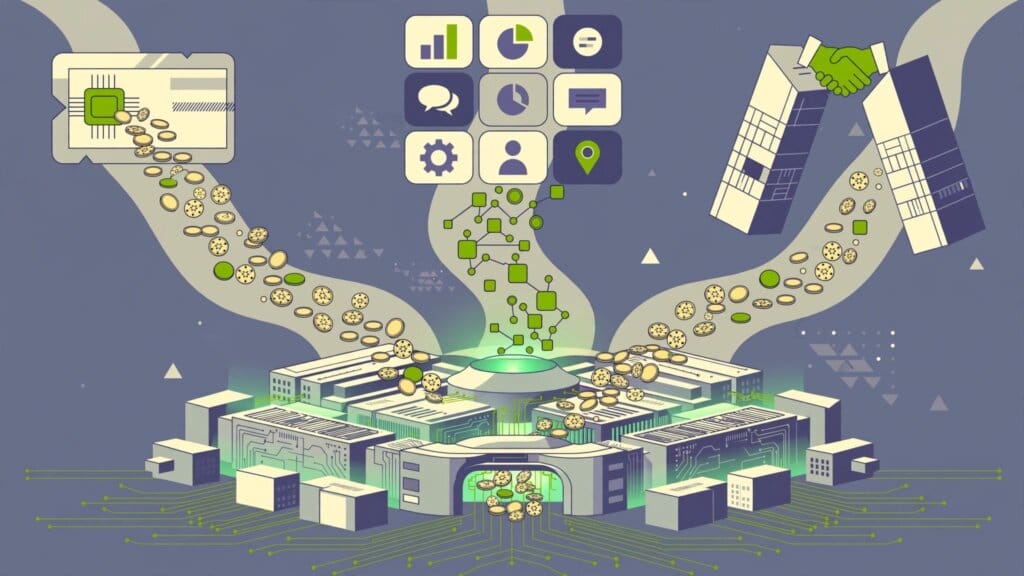
OpenAI’s finances are private, but its business model is visible in its products. The company makes money primarily three ways: subscriptions to ChatGPT, usage fees from developers renting its models through the API, and contracts with enterprises and partners that license its technology.
Around those pillars orbits a changing set of experiments — app ecosystems, agents, hardware ambitions — but the economics of the AI era’s defining company still reduce to a simple exchange: compute goes in, intelligence is sold by the month or by the million tokens.
Subscriptions: the $20 anchor
ChatGPT’s paid tiers begin with Go at $8 a month and centre on Plus at $20, the price point that has defined consumer AI since 2023. Pro tiers at $100 and $200 a month sell volume to heavy users, and Business and Enterprise plans convert the same product into per-seat organisational spending.
Subscriptions are prized revenue: recurring, predictable and directly tied to a consumer brand. Their weakness is arithmetic — a flat $20 must cover whatever the subscriber’s usage costs to serve, which is why every tier is wrapped in usage limits that function as OpenAI’s cost controls.
The API: intelligence by the token
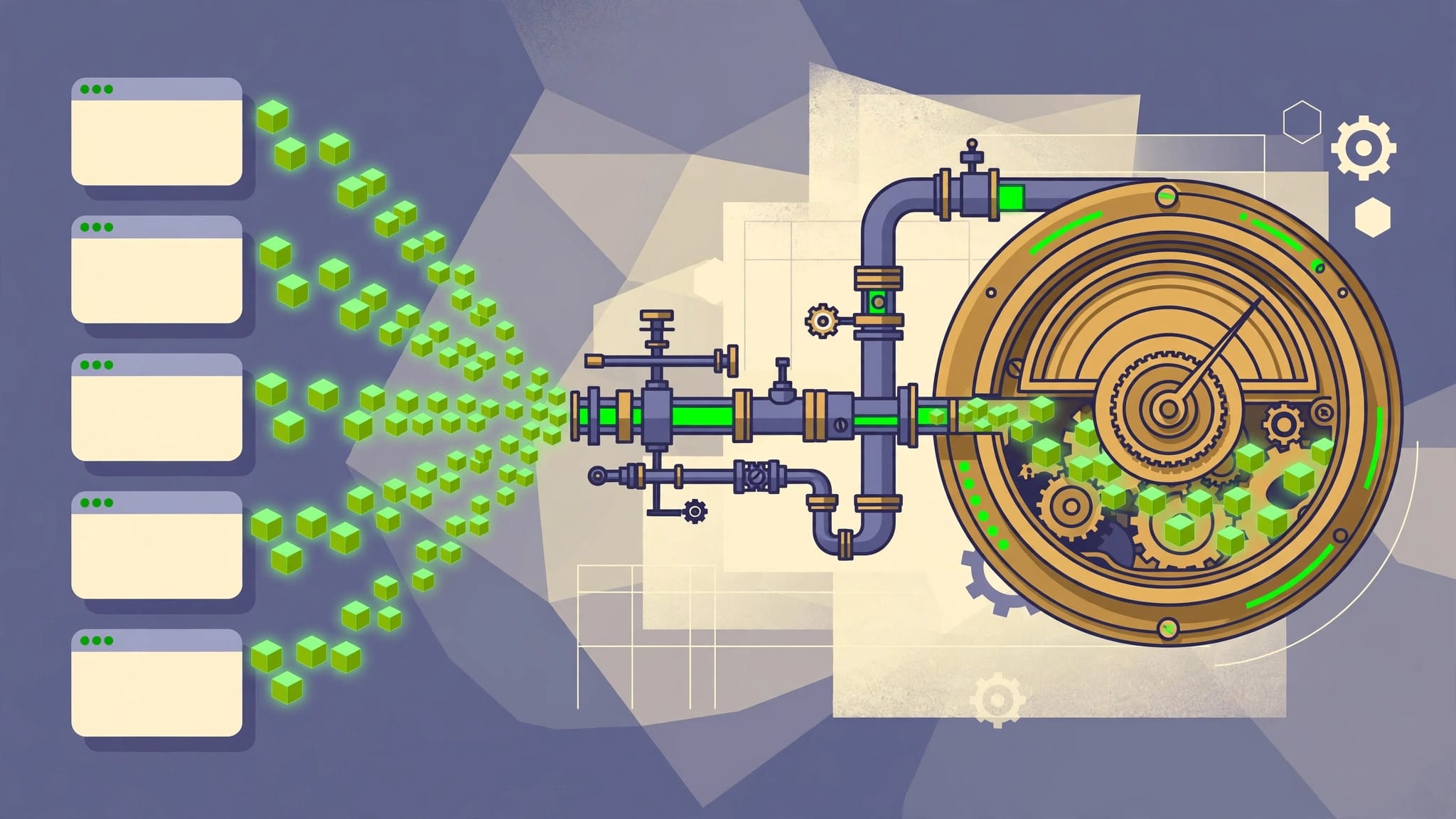
The API is the wholesale business. Startups and enterprises build products on GPT models and pay per million tokens processed, with flagship models priced far above the mini tiers built for volume. Every app that summarises, translates, drafts or reasons on OpenAI models is a meter running in OpenAI’s favour.
This stream also carries the platform’s strategic weight. Developers who build on the API rarely leave, so today’s token revenue buys tomorrow’s ecosystem. It is the same logic that made cloud computing sticky, run at AI speed.
Licensing and enterprise contracts
The third stream is negotiated rather than listed. Microsoft’s partnership — investment, Azure distribution and models embedded across the Copilot line — is the giant example: part licensing deal, part cloud contract, part strategic alliance. Large enterprises similarly buy through agreements bundling seats, API commitments, support and compliance terms.
Newer experiments aim to widen the funnel further: agent products that do billable work, commerce features inside ChatGPT, and an ecosystem of third-party apps. None yet rivals the big three, but OpenAI tests monetisation the way it tests models — continuously.
The wider industry is exploring the same frontier from the other side: Google is now testing ads inside AI Mode answers, a reminder that subscriptions and tokens may not be the only ways AI assistants pay for themselves.
The Microsoft dimension
OpenAI’s most important financial relationship resists tidy categories. Microsoft’s investment — reported at over thirteen billion dollars across rounds — came intertwined with Azure: OpenAI committed to enormous cloud spending, Microsoft received a share of revenue and the right to embed the models across its product line, and both sides periodically renegotiate as the balance of need shifts.
That means some of what looks like OpenAI’s cost is Microsoft revenue, and some of Microsoft’s AI revenue is OpenAI’s models. Analysts who try to draw a clean box around “licensing income” usually give up and treat the partnership as what it is: a joint venture in everything but legal form.
Smaller licensing threads add up around the core: content deals with publishers, commerce features inside ChatGPT that can take a cut of transactions, and an app ecosystem designed to make the assistant a place where other businesses earn — and pay. None rivals subscriptions or the API today, but each is an option on a future where ChatGPT is a marketplace, not just a tool.
Distribution quietly subsidises all three streams. ChatGPT ships on the web, in its own apps, and inside partner surfaces, and being the default name for AI means a large share of new subscribers arrive without marketing spend. In a business where rivals pay heavily for distribution, that brand gravity is worth a line on the balance sheet that accounting will never show.
The cost side is the story
What OpenAI earns is inseparable from what it burns. Training frontier models and serving hundreds of millions of users requires data centres, chips and energy at infrastructure scale, and the company has committed to spending that assumes revenue keeps compounding for years.
That is the real shape of the business: subscriptions provide the base, the API provides the growth engine, licensing provides strategic reach — and an unprecedented compute bill provides the suspense. Every AI company now runs some version of this race; OpenAI simply runs it largest and first.

0 Comments