
ChatGPT is OpenAI’s conversational AI assistant, launched on 30 November 2022 as a research preview and quickly becoming the fastest-growing consumer application of its era. It turned large language models from a developer technology into something hundreds of millions of people use directly.
At its core, ChatGPT is an interface over OpenAI’s GPT models: systems trained on enormous amounts of text and code that predict and generate language, then refined with human feedback so their answers follow instructions and stay (mostly) helpful and safe.
How it works, in plain terms
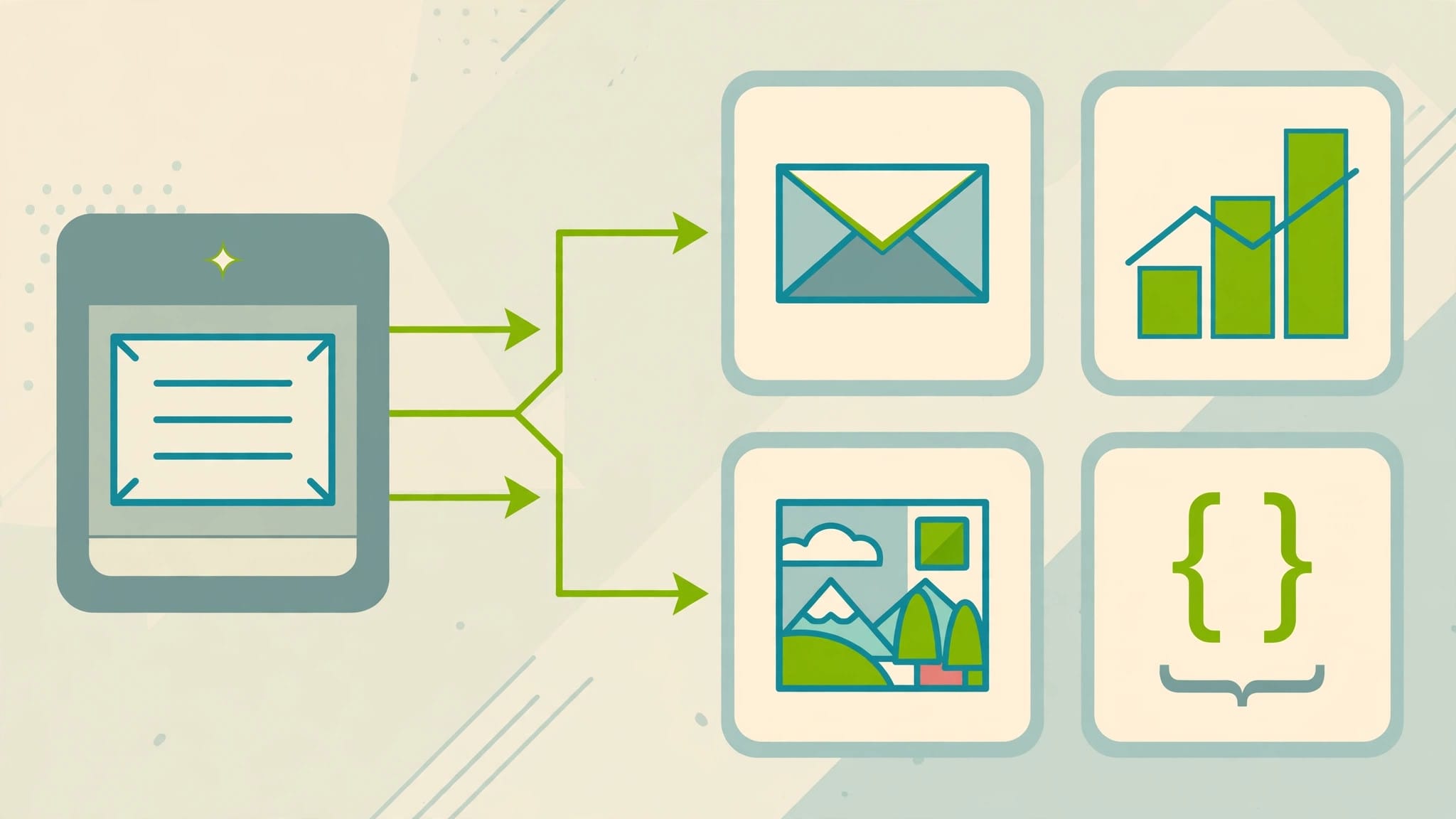
When you type a prompt, the model converts your words into tokens and generates a response one token at a time, choosing each next token based on everything before it. It does not look answers up in a database; it composes them, which is why it can write a poem about your specific project — and why it can also state a falsehood with total confidence.
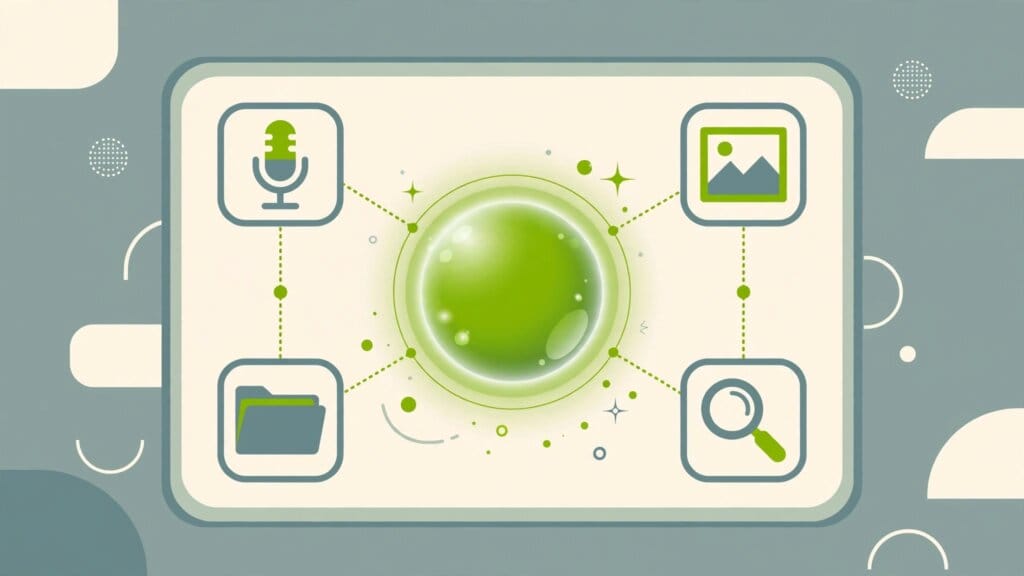
Modern ChatGPT adds tools around that core. It can browse the web for current information, run code to calculate and analyse data, generate and edit images, remember preferences across chats, and hold spoken conversations in voice mode. Reasoning models add a further step: they spend more time working through a problem internally before they answer.
What people actually use it for
The everyday list is mundane and enormous: drafting and editing writing, summarising documents, explaining concepts, brainstorming, translating, planning trips and meals, tutoring, and debugging code. Deep Research mode extends this into multi-source reports, spending minutes gathering and synthesising material instead of answering from memory.
Professionals stretch it further — marketers drafting campaigns, analysts interrogating spreadsheets, developers building with custom GPTs and agent mode, which can operate a browser and complete multi-step tasks. The pattern is consistent: ChatGPT is strongest as an accelerator for a person who can judge the output.
It is worth contrasting with search. A search engine returns links; an answer engine returns an answer. Google’s own AI Overviews now answer queries directly in results, and the two styles are converging — as our coverage of AI Overviews answering questions in search shows, the line between finding and generating is dissolving.
Limits worth knowing
ChatGPT can be wrong fluently. It invents citations, misreads ambiguous questions, and its knowledge of your private context is limited to what you give it. Facts that matter — medical, legal, financial — deserve verification against primary sources, a habit the tool itself will endorse if you ask.
It also has boundaries set by policy: it refuses categories of harmful requests, sometimes clumsily. And its memory is a feature you control — worth auditing in settings, since the convenience of an assistant that remembers you is the same thing as a record of what you told it.
ChatGPT at work, and inside other products
Beyond the chat window, OpenAI’s models power a large share of the software people already use. The same technology is rented through OpenAI’s API, so the assistant drafting replies in a support tool, summarising calls in a sales platform or tutoring inside an education app is often a GPT model wearing another product’s clothes.
Inside companies, ChatGPT itself has become standard equipment in many knowledge jobs: analysts use it to interrogate data, support teams to draft and translate, and managers to prepare documents at a pace that was previously a staffing question. Business and Enterprise workspaces add the controls — administration, privacy commitments, shared projects — that turn an individual habit into company infrastructure.
Education is the most contested workplace. Schools wrestle with homework written by the tool while universities build courses around using it well; the argument has largely moved from whether students will use it to what assessment looks like when they do.
The direction of travel is consistent: from a website you visit, to a capability embedded in everything. Understanding ChatGPT in 2026 means understanding it less as an app than as the public face of a platform.
The bottom line
ChatGPT is best understood as a general-purpose collaborator with encyclopaedic breadth and no genuine accountability. Used with judgement, it compresses hours of drafting, searching and first-pass analysis into minutes. Used carelessly, it produces polished nonsense at the same speed. The skill of the next decade is knowing which mode you are in.

0 Comments