
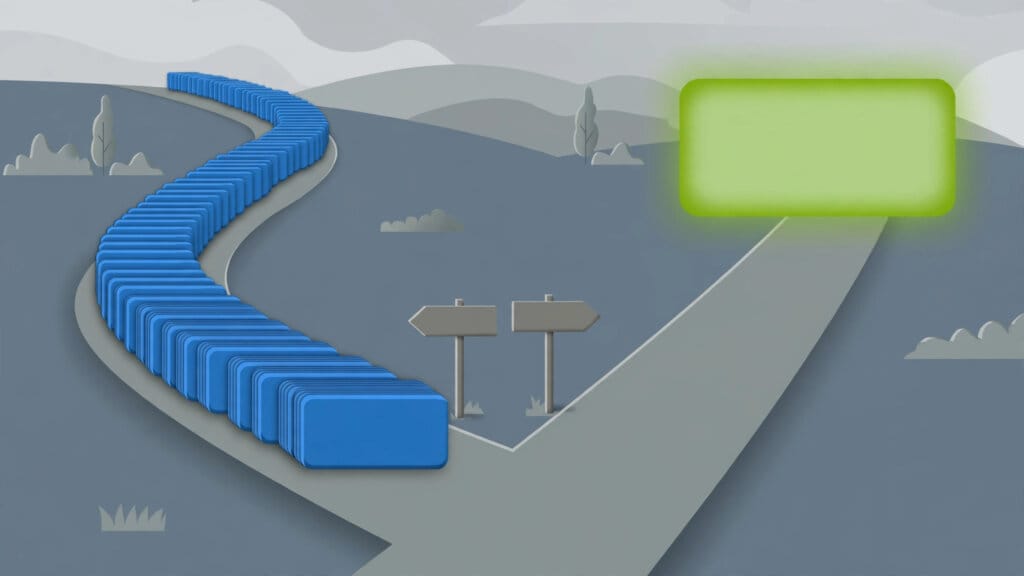
Every brand team is asking the same question: does answer engine optimisation replace search engine optimisation, or sit on top of it? The honest answer is that AEO changes what winning looks like, while leaving most of the underlying work surprisingly familiar.
SEO competes for position on a page of links. AEO competes for presence inside a generated answer. That single change ripples through measurement, content strategy and even how success is reported to the board.
From rankings to citations
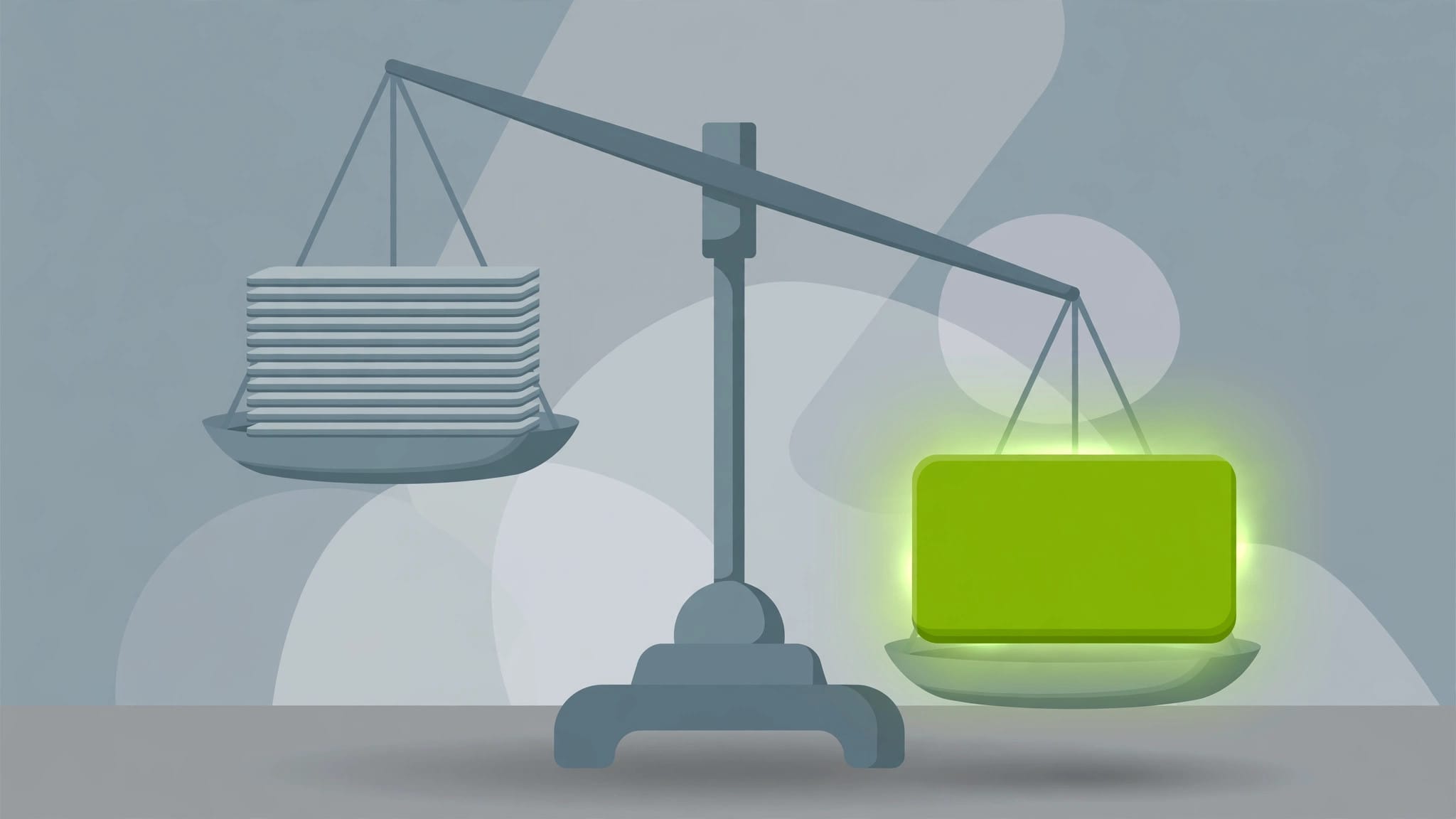
A ranking is a stable, checkable fact: your page is third for this query, in this market, today. A citation is none of those things. AI answers are generated per user and per moment, so AEO measures probability: how often, how prominently and how favourably the engine mentions you across many prompts.
The traffic maths changes with it. A top-three ranking used to guarantee a stream of clicks. An AI citation may send a smaller, later, better-qualified trickle, because many users never click at all. Brands are learning to value the mention itself, the way they once valued a billboard.
Quality control changes too. Engines synthesise, and synthesis can distort, which is why the industry winces when AI Overviews confidently answer gibberish searches. Under AEO, monitoring what the engine says about you, not just whether it mentions you, becomes part of the job.
What actually differs in the work
The overlap is large: crawlable sites, clear structure, genuine expertise and authority signals feed both disciplines. If your SEO foundation is rotten, no AEO programme will save you, because the engines read the same web the rankings do.
The differences are at the edges. AEO rewards content written to be quoted: direct answers, original statistics, clean definitions. It weighs third-party surfaces far more heavily, including reviews, comparisons and community threads. And it plans for prompts, the messy natural questions people actually ask assistants, rather than tidy keyword strings.
Commerce raises the stakes further. Engines are beginning to transact, not just inform, and Google is already testing ads inside AI Mode, which means answer visibility will soon be bought as well as earned. Brands will need both muscles.
The practical verdict
Treat AEO as SEO’s second front, not its funeral. Keep the technical and content foundations, add prompt-level visibility tracking, invest in the third-party surfaces the engines trust, and write pages that an AI can quote without embarrassing either of you.
Reporting to the board: new numbers, same story
The shift shows up in the reporting deck. SEO reported rankings, sessions and conversions, a tidy funnel from position to revenue. AEO adds softer numbers: mention share, citation share, sentiment, prompt coverage. Executives are right to ask what they are worth, and the honest answer is the same thing a ranking was worth: evidence of being chosen when a buyer asks.
Attribution is getting harder before it gets better. A user who reads an AI answer, remembers a brand and buys a week later leaves no click to count. Brands are responding the way they did with social media a decade ago: triangulating with surveys, branded search volume and direct traffic, and accepting a measured amount of faith.
None of this argues for abandoning the old dashboard. Rankings still predict traffic in the many categories where links still rule, and AI answers themselves are built from the very pages those rankings order. The two scoreboards describe one system at two moments: being found, and being repeated.
Teams are merging accordingly. The SEO specialist who once lived in spreadsheets now audits AI answers beside the PR lead, because the surfaces that sway a model, reviews, comparisons and community threads, belong to both crafts. Job titles will follow the work, as they always do.
That framing is the one to carry into budget season. SEO buys the right to be read by the machine; AEO checks what the machine says after reading. Funding one without the other is paying for the audition and skipping the performance.
The brands that suffer will be those that choose a side. Search results and AI answers will coexist for years, each feeding the other, and the winners are simply the brands that show up correctly in both.

0 Comments