
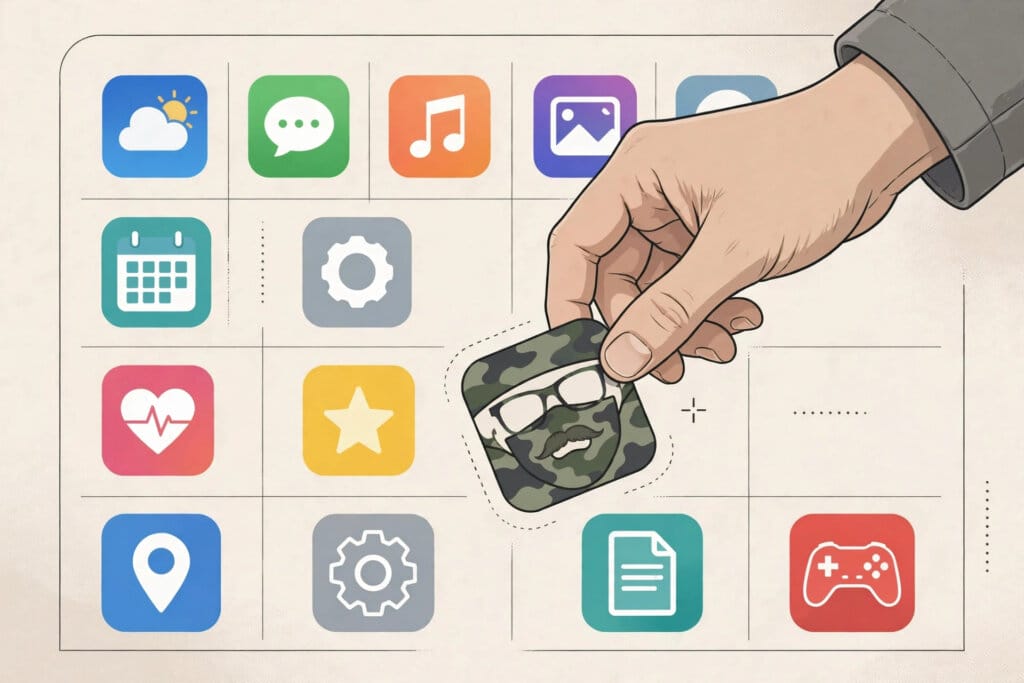
Apple has tightened its App Store developer guidelines to ban “nudify” apps — tools that use AI to undress people in photos — including apps that disguise themselves as ordinary apps during review and reveal the nudification features only after approval. The updated guidelines, reported by TechCrunch on Monday, October 19, add strong language around AI and user-generated content, and Apple says it will remove apps that add features not present in the version submitted for review.
The change targets a category that has embarrassed both major app stores for over a year: apps marketed as photo editors or AI art tools whose real purpose is creating non-consensual intimate imagery, some of them rated as suitable for minors.
What Apple’s Updated Guidelines Actually Say
The new language works on three levels. Apps that host user-generated content are required to filter objectionable material, give users a way to report offensive content, and let users block abusive accounts. Apps containing hidden or undocumented features are prohibited, including apps that “misrepresent their purpose during review and only reveal harmful capabilities — such as ‘nudification’ — after approval,” a tactic Apple calls bait-and-switch. And apps may not add features after approval that were not in the reviewed build: Apple said it will remove apps that do so.
Apple also updated the language in its legal section to reinforce that it will bar apps promoting human trafficking and the exploitation of children. The company said its review process last year blocked over 150,000 apps from reaching users and removed 193,000 developer accounts for fraud and abuse — figures that frame the scale of the enforcement problem the new rules are meant to shrink.
Why Nudify Apps Kept Getting Through Review
The bait-and-switch pattern is the enforcement gap the update is written to close. A nudify tool submitted honestly is rejectable on sight; the same tool submitted as a generic photo editor, with its AI undressing features switched on server-side after approval, historically passed review and only became visible once users or researchers found it live. Reports through 2026 documented exactly that pattern on both stores: in April a Tech Transparency Project report found both Apple and Google hosting multiple nudify apps, some rated for minors, and in July the city of San Francisco ordered both companies to clean up and delete nudification apps from their stores, with City Attorney David Chiu accusing the companies of profiting from the apps through store fees.
By naming the concealment itself as the violation — not just the resulting content — the updated guidelines give reviewers a rule that applies at the moment of deception, rather than after harm is documented in the live store.
Why It Matters
The central entity is Apple’s App Review Guidelines, and the attribute that changed is specificity: nudification and review-evasion are now named violations rather than cases argued under general objectionable-content clauses. Its neighbours feel it in sequence — developers of legitimate AI photo tools, who must now document moderation, reporting and blocking features to stay clearly on the right side of the line; the stores’ critics in city and state government, whose July order is now partly answered in writing; and Google, which faces the same documented problem on the Play Store without — so far — an equivalent named ban. For Apple’s wider AI story, the guidelines are the gatekeeping counterpart to the on-device strategy described in our explainer on Apple Intelligence: Apple controls AI on its platform as much through what the store forbids as through what its own models do, a posture that also shapes the market its Gemini-powered Siri reboot will ship into. How completely the rule works will be measured the way the problem was documented — by whether researchers keep finding live nudify apps in the store, against the backdrop of the wider rules mapped in our guide to AI laws around the world in 2026.
Background
AI nudify tools spread with the consumer image-generation boom, and app stores have been criticised since 2024 for hosting them under innocuous descriptions and age ratings. San Francisco’s July 2026 order against Apple and Google, and the Tech Transparency Project’s findings earlier that year, turned a recurring press story into legal pressure. Apple’s October guidelines update is the company’s most explicit answer yet: the apps are banned by name, and hiding what an app does during review is now itself a removable offence.
Source: TechCrunch

0 Comments