

Grok is not just available on X; it is woven into how the platform works. The assistant, created by xAI, can summarise discussions, respond in threads, and draw on posts as they appear. That deep integration is its most distinctive feature and also the source of many of its controversies.
Most AI assistants live in separate apps and look outward at the internet. Grok starts from inside a social network where news, rumour, humour, and argument all mix together. To understand both its appeal and its problems, it helps to look at that integration directly.
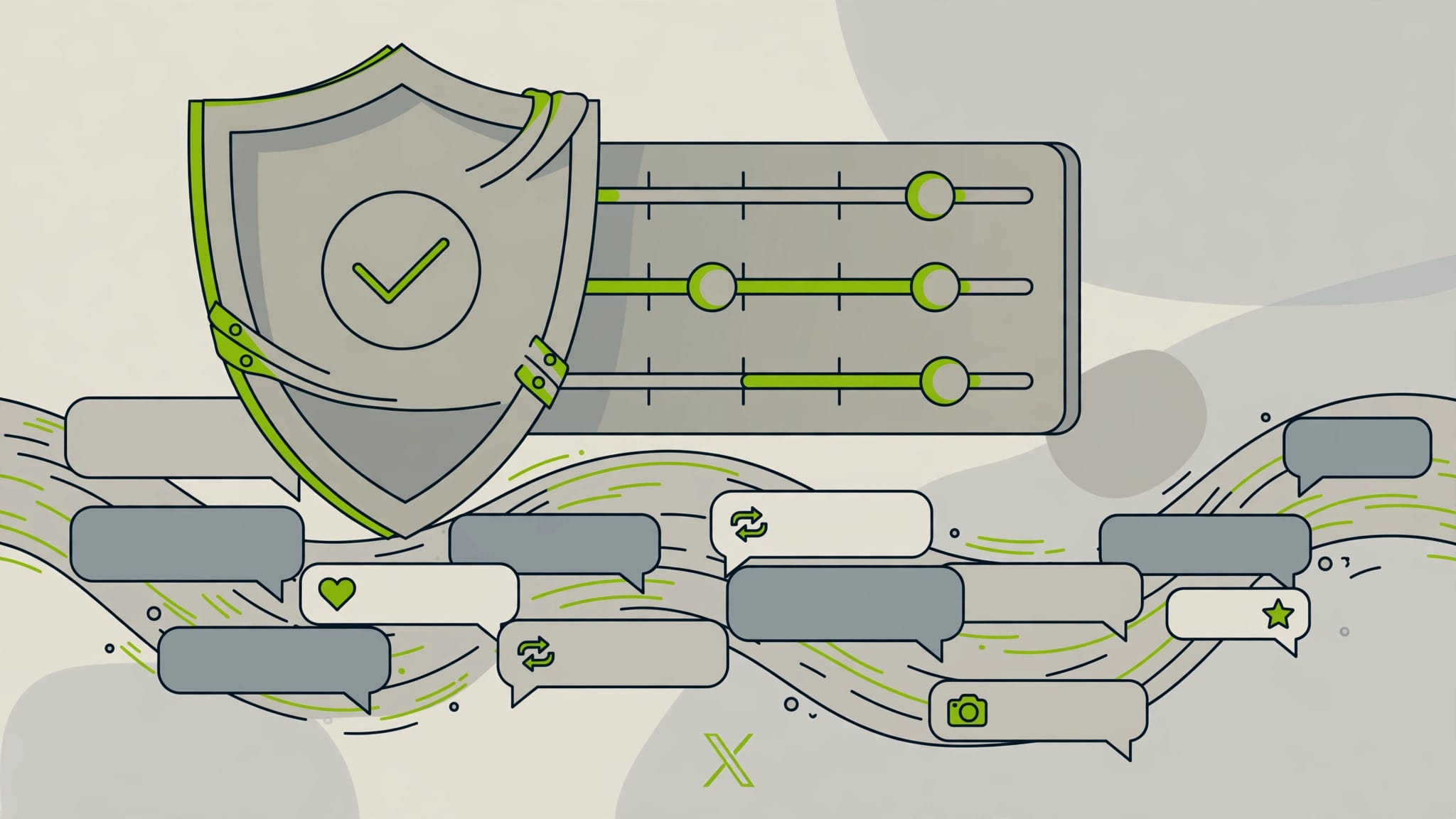
What the Integration Actually Does
The clearest benefit is real-time awareness. Grok is designed to access current X posts, so it can describe what is being said about an event while the event is still developing. For users trying to make sense of a fast-moving feed, an assistant that can summarise hundreds of posts into a short overview can be genuinely useful.
Integration also shapes how people encounter the assistant. Grok can be invoked in the context of posts and conversations rather than only in a private chat window. Answers therefore become part of public discussion themselves, where they can be shared, challenged, or corrected by other users in full view.
Image generation adds another layer. Users can ask Grok to create images and then post the results directly into the same environment where the request began. That tight loop between creation and sharing helps explain why Grok-generated images spread so quickly, for better and for worse.
Why Real-Time Access Cuts Both Ways
Drawing on live posts gives Grok speed, but speed is not the same as reliability. Social platforms surface unverified claims alongside confirmed reporting, and early posts about breaking events are often incomplete or wrong. An assistant that reflects the feed too closely can amplify those errors with the added authority of an AI answer.
There is also a question of perspective. The conversation on X is not a representative sample of the wider public, and the loudest voices are not always the most informed. When Grok summarises what people are saying, it is summarising a particular platform’s culture, with its own biases, incentives, and recurring arguments.
These limits do not make the feature useless. Used carefully, real-time summaries can help users spot major developments, understand why a topic is trending, and find the original posts behind a claim. The key is treating Grok’s answers as a starting point for checking, rather than as a final verdict on what happened.
The Controversies Over Grok’s Outputs
Grok’s less filtered, irreverent design has repeatedly drawn attention when its answers have gone too far. There have been episodes in which the assistant produced offensive outputs or unusually praise-laden responses about public figures, prompting public criticism and periods in which its behaviour was restricted or adjusted. Such incidents are a recurring risk for an assistant designed to be looser than its rivals.
These episodes matter beyond the individual posts involved. When an assistant is integrated into a social platform, a bad answer is not a private error; it can be screenshotted, shared widely, and become a story in its own right. Integration therefore raises the stakes of every failure, because the audience and the distribution channel are already built in.
Similar debates affect the wider industry, not Grok alone. Concerns about how assistants handle sensitive subjects have also driven legal and regulatory scrutiny of rival products, including state lawsuits over ChatGPT and child safety. The details differ, but the underlying question is shared: how much freedom should a widely used assistant have, and who is responsible when its outputs cause harm?
What Happens Next for Grok on X
The company behind the assistant has changed around it. xAI was acquired by SpaceX in February 2026 and rebranded as SpaceXAI in July 2026, while Grok remains the product name users see inside X. That shift places the assistant within a larger corporate group, though its day-to-day identity is still defined by the platform it serves.
The central tension is unlikely to disappear. Grok’s value comes from being close to a live, unfiltered conversation, and its controversies come from the same closeness. Tighten the assistant too much and it loses the personality and immediacy that distinguish it; loosen it further and the risk of offensive or misleading outputs grows.
For users, the practical lesson is to use Grok with its design in mind. It is at its best as a fast guide to what X is saying, a tool for summaries, and a creative feature for images and informal questions. It is at its weakest when treated as an unquestionable authority. Integration makes Grok powerful and distinctive, but it also means its answers should be read the way the feed itself should be read: quickly, widely, and with a healthy amount of scepticism.

0 Comments