
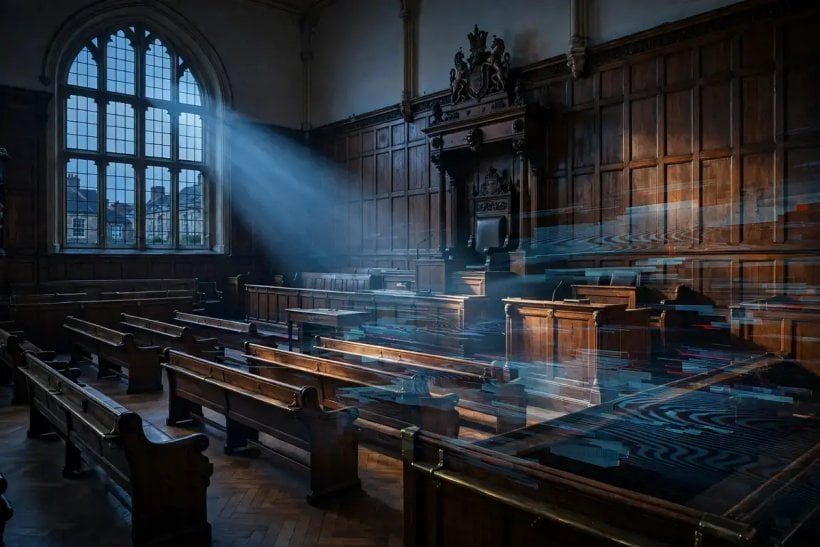
At least 25 court cases in England and Wales this year were affected by people using AI without telling the court, a new investigation of published judgments has found. The cases span fake case law, AI-written witness statements and video evidence no judge can now verify as real.
The cases behind the count
Since late 2023, judges have attributed the citing of non-existent cases to AI tools in more than 20 cases. The first came in a tax tribunal, where an appellant cited nine decisions that had been generated by AI and was ordered to pay the fine.
In February, the Crown Prosecution Service apologised for citing made-up case law it later said was probably AI-generated, and judged the risk of recurrence low. Earlier this month it did so again, citing a non-existent case in a youth-court challenge over prosecuting an 11-year-old.
Other cases show the pattern spreading beyond lawyers. In one childminder appeal, emails said to come from different people were blamed on ChatGPT when their style matched. In a family case, a mother blamed inconsistencies in her evidence on the chatbot she had asked to help her.
Statements written by machines
In April, a High Court judge ruled on a dispute between two brothers over their late father’s body. One side admitted a ‘digital assistant’ had helped draft their witness statements, and the judge said he could no longer be sure the evidence was in their own words.
Last month, the Court of Appeal heard that a police officer had used Microsoft Copilot to write a victim statement designed to secure the longest sentence and make a judge ‘weep’. The officer was removed from frontline duty, and the appeal judges issued a warning.
The liar’s dividend
The deeper threat may not be fake evidence getting in, but real evidence being dismissed as fake. Legal scholars call it the ‘liar’s dividend’: once convincing fakes are easy to make, any inconvenient video or document can be denounced as AI-made.
In one High Court case, a judge could not decide whether a video at the centre of a custody dispute was genuine or faked, after a forensics expert said AI alteration could not be ruled out. In mock war-crimes trials, jurors doubted an airstrike video and acquitted.
Our Read
This is no longer a story about careless lawyers. The 25 cases are the visible tip: most judgments are never published, and the problem is far larger in county and magistrates’ courts. The system faces two failures — fakes entering evidence, and real evidence losing credibility.
Detection will not save the courts: OpenAI’s policy counsel told a US judicial committee in October that AI images will only get better and that no scientific detection method lies ahead. The fix must be procedural — disclosure duties, verification habits and sanctions judges already use.
Why It Matters
Courts run on trust in evidence. If judges cannot tell whether a statement, citation or video is genuine, every case slows down, costs rise, verdicts lose authority. The UK’s experience is a preview for every justice system where generative AI is already in litigants’ hands.
Background
In September, the UK government updated its AI Action Plan on Justice to address the risk of synthetic content entering the justice system. The judiciary issued guidance on deepfakes last October, and regulators have warned lawyers against unverified AI use.



0 Comments