

An AI agent is software that does not just answer questions but completes tasks. Give it a goal — research this trip, reconcile these invoices, monitor these prices — and it plans the steps, uses tools, checks its own progress and comes back with the work done, not just described.
Agents are the industry’s big shift of 2026: from conversation to action. Understanding them means understanding four parts that every agent, whatever its brand, has in common: a goal, a plan, tools and a feedback loop.
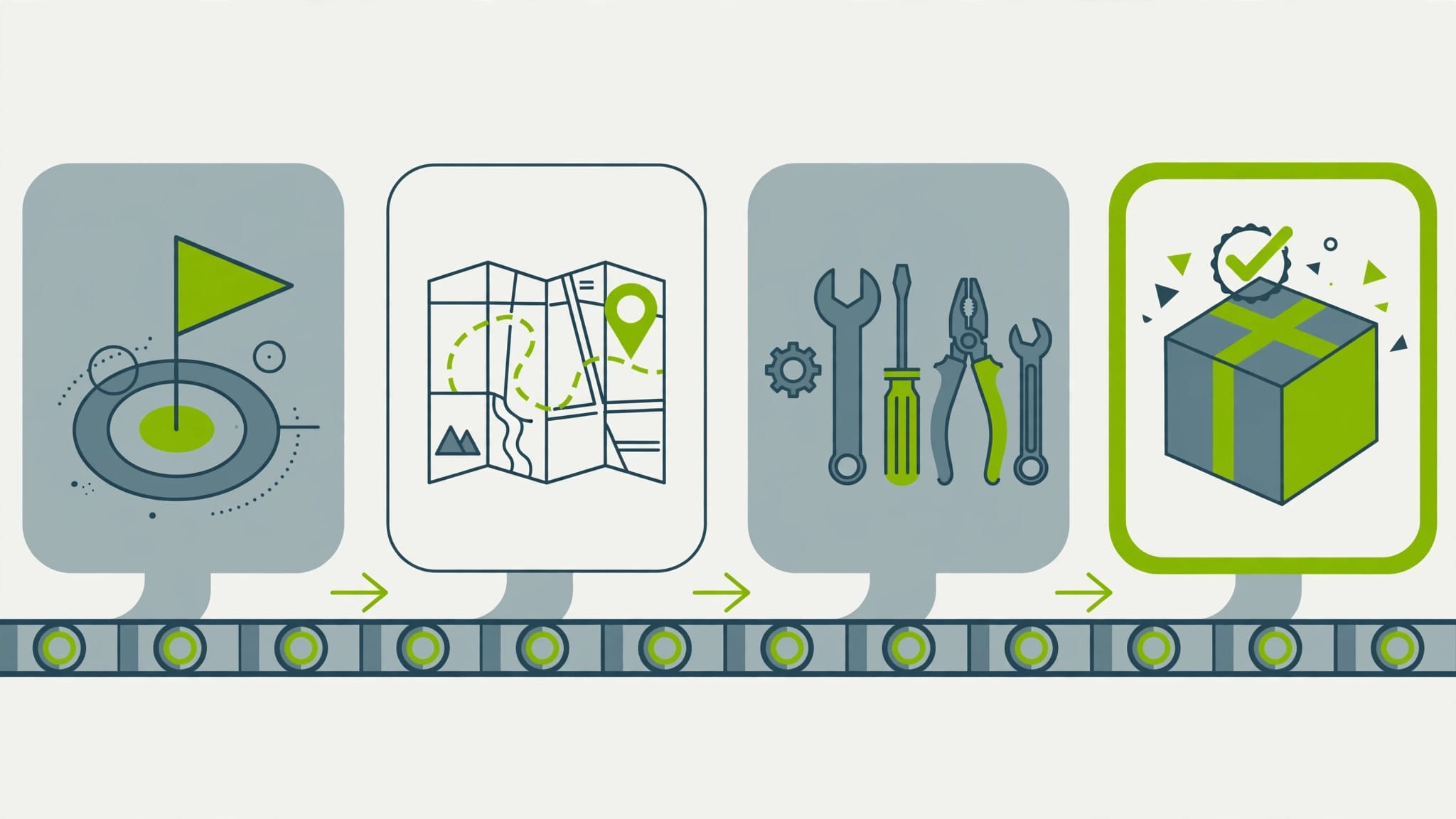
The four parts of every agent
First, the goal. An agent is defined by an objective that takes more than one step to reach. “Book the cheapest flight that gets me to Chicago before noon” is a goal; “what is the capital of France” is not. The goal is what separates an errand from a chat.
Second, the plan. Given a goal, the agent breaks it into sub-tasks and sequences them: search flights, filter by arrival time, compare prices, hold a booking. Modern agents re-plan as they go, which matters when the web page changes or the first approach fails.
Third, tools. An agent acts through software: browsers, calendars, spreadsheets, payment systems, code executors, other apps. A language model supplies the judgement; the tools supply the hands. This is why agents are arriving inside products you already use — shopping assistants that can complete a purchase, such as Universal Cart in Google Search and Gemini, are agents wearing a storefront.
Fourth, the loop. The agent observes the result of each action, compares it with the goal and corrects course. That observe-decide-act cycle, repeated, is the whole trick — and the reason agents can run for minutes or hours instead of producing a single reply.
What agents are doing in 2026
The most visible agents work in software itself: coding agents that take a bug report and return a tested fix. Behind them come research agents that compile briefings from dozens of sources, and operations agents that triage support tickets, update records and chase missing information across a company’s systems.
Consumer agents are quieter but spreading: assistants that track prices, manage subscriptions, draft and send routine email, and keep calendars sane. The pattern is the same everywhere — work that is digital, repetitive and checkable gets handed over first.
Why they are hard to get right
An agent that acts can also act wrongly, at machine speed and scale. A misunderstood instruction becomes a wrong booking, a deleted file or a thousand mis-sent messages. The engineering frontier is therefore not cleverness but control: permissions, spending limits, audit trails and the ability for a human to interrupt.
Reliability is the second problem. A model that is right 95 percent of the time sounds excellent until an agent chains forty decisions together, at which point small error rates compound into routine failure. The successful products are those scoped narrowly enough that the chain stays short and every step can be verified.
The plain definition
Strip away the marketing and an AI agent is this: a language model given a goal, a set of tools and permission to loop — to try, look, adjust and try again — until the goal is met or a human is needed. Everything else, from the interfaces to the pricing, is packaging around that loop.
That is why agents matter more than any single chatbot release. Chatbots changed how we talk to software. Agents are changing who — or what — does the work.
A quick test for anything called an agent
Because the word is now attached to almost everything, one question sorts the real agents from the rebranded chatbots: what can it do while you are not watching? If the answer is “nothing — it replies when I type,” you are looking at a conversational interface, whatever the landing page claims.
If the answer involves a queue of work being progressed, tools being called, intermediate results being checked and a summary arriving when the job is done, you are looking at an agent. The distinction is not the model’s intelligence; it is the architecture of autonomy around it.
Expect the test to matter commercially. Agents are priced by the task and chatbots by the seat, agents carry operational risk that chatbots never touch, and regulators are beginning to ask who is accountable when software acts. The vocabulary will settle where the money and the liability settle — on the systems that genuinely do the work.

0 Comments