
Grok is an artificial intelligence assistant built into X, the social platform formerly known as Twitter. Instead of living mainly in a separate app or website, it sits inside the feed where people already post, reply, and follow breaking events. That placement shapes almost everything about how it works and how people use it.
The assistant was created by xAI, the artificial intelligence venture founded under Elon Musk. From the start, it was presented as an alternative to other leading chatbots, with a personality that is more direct, more humorous, and less heavily filtered. The name Grok has since become the product name most users recognise, even as the company behind it has changed.
Where Grok Lives Inside X
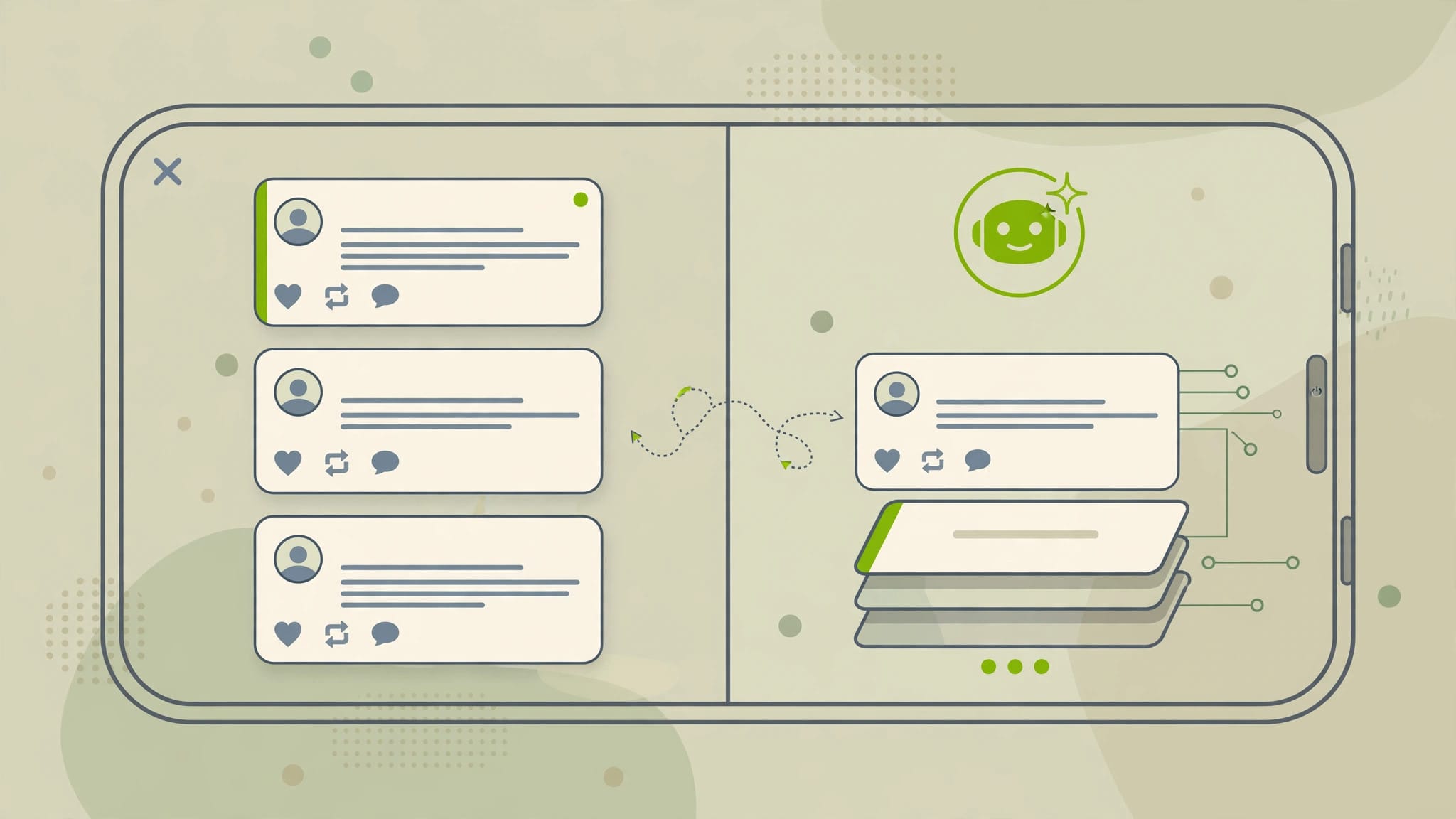
For most users, Grok appears as a feature inside X rather than as a standalone destination. It can be opened from within the platform and used to ask questions, summarise discussions, or explore topics that are trending in posts. Because it is embedded in a social network, the experience feels closer to asking a knowledgeable participant than opening a separate research tool.
That integration also means Grok is closely tied to public conversation on X. When a major story breaks, discussion often appears on the platform within minutes, and Grok is designed to draw on that flow of posts. This gives it a distinctive role among assistants, which otherwise rely more heavily on web search and licensed sources.
What Grok Can Do
At its core, Grok answers questions in natural language, much like other large language model assistants. It can explain concepts, draft and rewrite text, summarise long threads, help with coding problems, and work through reasoning tasks step by step. Users also turn to it for brainstorming, translation, and quick summaries of unfamiliar subjects.
Beyond text, Grok includes image generation. Users can describe a scene or idea and have the assistant create a visual version of it, a feature that is widely shared back onto X itself. Image tools have become a common part of modern assistants, but on a social platform they spread especially quickly because the results can be posted immediately.
Grok is also known for its real-time awareness. By drawing on current posts, it can comment on events as they are unfolding rather than only on information from its training period. That does not make every answer correct, and fast-moving stories can include rumours and errors, but it does make the assistant feel unusually current.
How Grok Differs in Tone and Approach
Tone is one of the clearest differences between Grok and its rivals. The assistant was designed to be irreverent and willing to answer questions that other systems might decline or handle more cautiously. Supporters describe this as less filtered and more entertaining, while critics argue that a looser approach can produce unreliable or offensive answers.
That balance is central to understanding the product. Grok is not simply a neutral question-answering tool placed on a social network; it is an assistant whose personality is part of its appeal. For some users, a witty and provocative style makes everyday queries more engaging. For others, the same style raises questions about accuracy and trust.
It is also worth separating personality from capability. Underneath the tone, Grok uses the same broad class of technology as other leading assistants: large language models trained on vast amounts of text and then refined for conversation. Its answers therefore share familiar strengths, such as fluency and breadth, and familiar weaknesses, such as occasional confident mistakes known as hallucinations.
Who Makes Grok Now
The company behind Grok has changed since the assistant first appeared. xAI, Grok’s creator, was acquired by SpaceX in February 2026 and rebranded as SpaceXAI in July 2026. Grok remains the product name, so users still encounter the same assistant brand inside X even though the corporate structure around it has shifted.
That history matters because Grok sits at the intersection of several of Musk’s ventures. It is an AI product, a feature of a social platform, and now part of a larger group associated with SpaceX. How those pieces are managed helps explain why Grok develops in public, often through visible updates and debates on X itself.
For a new user, the simplest way to think about Grok is as X’s built-in AI assistant. It answers questions, generates images, summarises what people are saying, and does so in a voice that is deliberately less formal than most competitors. Whether that combination appeals will depend on what a person wants from an assistant: careful restraint, or speed, humour, and a direct line into a live social conversation.

0 Comments