
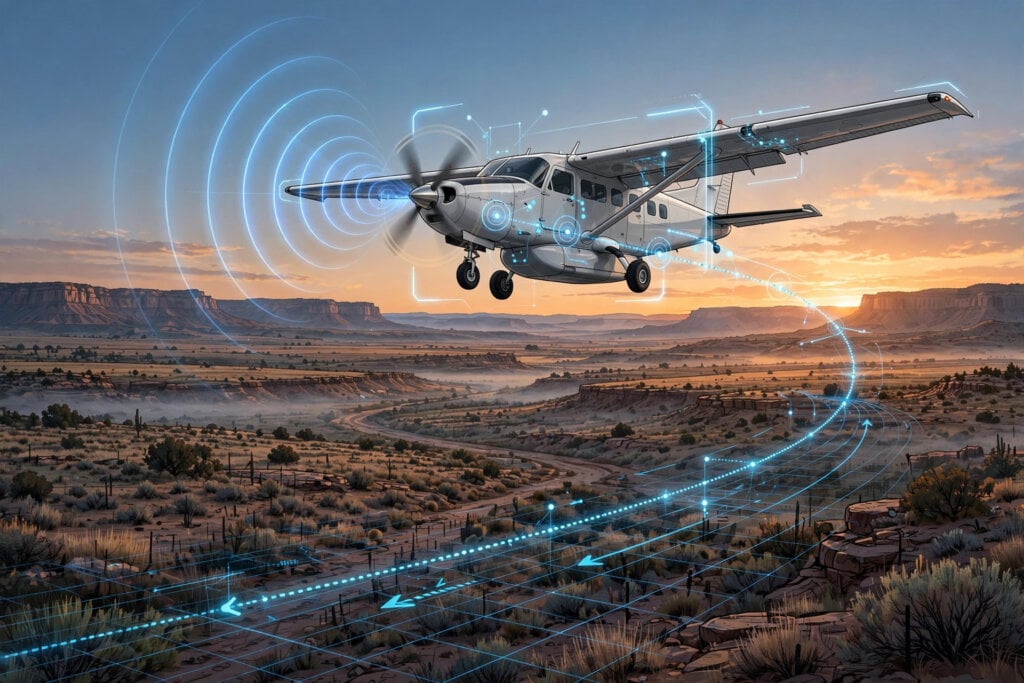
Reliable Robotics has raised $115 million in new capital, upsizing its Series D round to $275 million and pushing its valuation past $1 billion, the autonomous aircraft company announced on October 20. The Mountain View startup, founded by SpaceX alumni, is building a certifiable autonomy system that can fly existing aircraft gate to gate, and the new money will expand its aircraft fleet, its production facilities and its engineering team.
The financing includes a $25 million term loan from Silicon Valley Bank alongside the equity, led by returning investor Nimble Partners. TechCrunch, reporting the same announcement, put the equity portion at $90 million and the company’s total raised to date at $380 million, with co-founder and chief executive Robert Rose saying the company inches closer to Federal Aviation Administration certification every day.
Reliable Robotics Series D: Who Backed The Extension
Nimble Partners led the round as a returning investor. New investors include Gideon Capital, RockCreek, Geek Ventures, Gold Hill Capital and Sparkwave Capital, alongside continued participation from returning investor Island Green Partners, and Allen & Company supported the fundraise. The company said the extension came from increased investor demand against its previously announced $160 million Series D, and that it has now raised more than $380 million in equity capital in total.
Crossing the $1 billion valuation line makes Reliable a unicorn in a sector where certification, not software demos, is the binding constraint. The round follows the pattern of this month’s other large autonomy raises, including Eka Robotics’ $150 million Series A for physical AI, where investors paid for systems intended to operate in the regulated physical world rather than in an app.
Reliable Autonomy System: Certification And Dual Use
Reliable’s core product is the Reliable Autonomy System, or RAS, together with its Reliable Radar. The company says the system targets the leading causes of aviation accidents — loss of control and controlled flight into terrain — while integrating with existing aviation infrastructure and certified aircraft, requiring no changes to the National Airspace System for commercial operations.
Reliable is certifying the RAS with the FAA on the Cessna 208B Grand Caravan, and describes it as the first FAA-certifiable system enabling full gate-to-gate automated operation, covering auto-taxi, auto-takeoff, en-route flight management and auto-landing. It says it holds the only FAA-accepted certification plan, means of compliance and closed issue papers for continuous autopilot engagement, and Rose expects certification for that first system in 18 to 24 months, according to TechCrunch. The technology is dual-use: Reliable has contracts with multiple branches of the US military, has completed several US Air Force airworthiness reviews, and was recently selected for the FAA’s Advanced Air Mobility Integration Pilot Program, under which it will fly pre-certification cargo operations to small and rural communities in New Mexico and Colorado.
Reliable Robotics: New Offices And A 250-Person Team
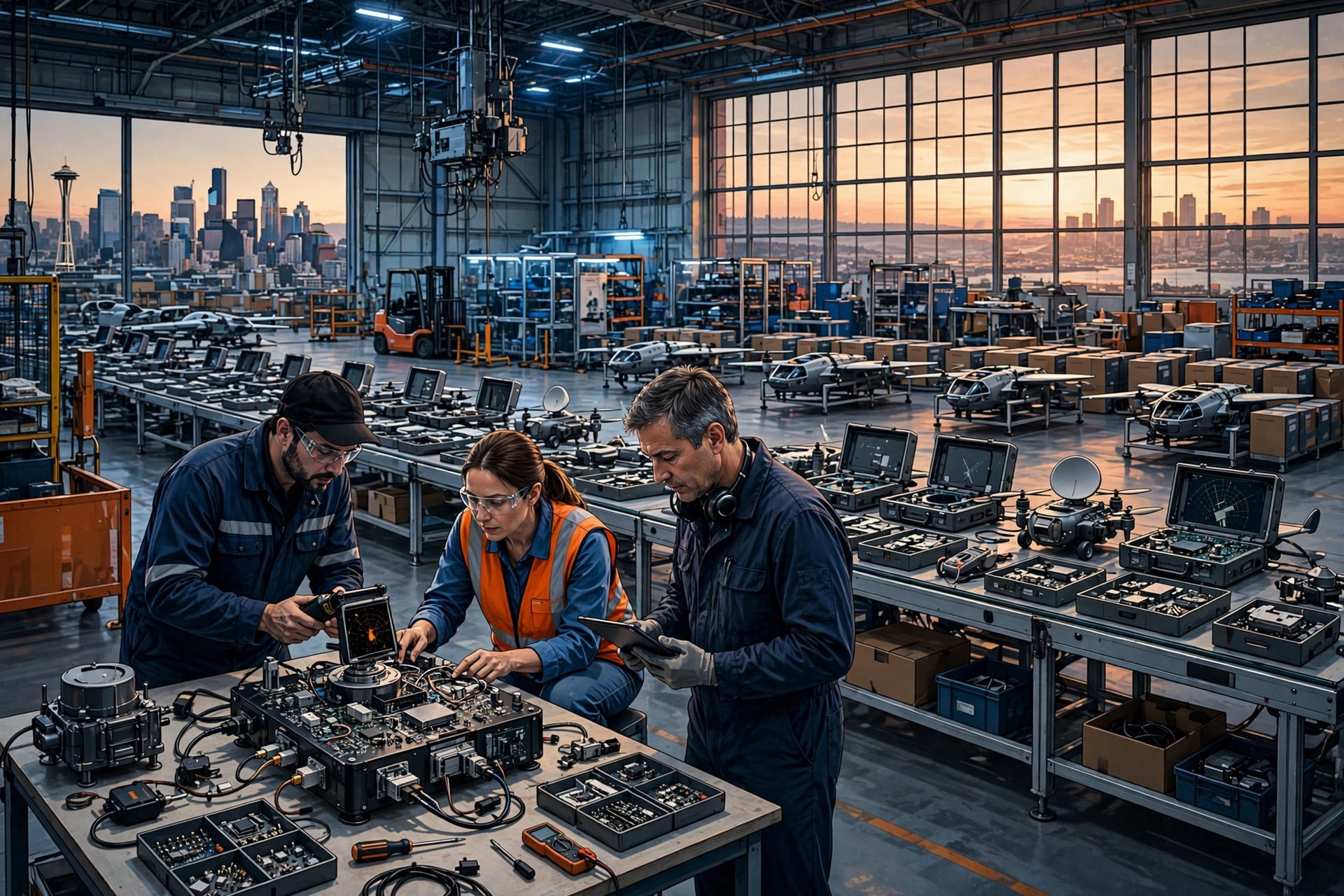
Alongside the funding, Reliable announced two new offices, in Seattle, Washington and San Diego, California, adding to its existing footprint in Mountain View and San Martin, California and Albuquerque, New Mexico. Seattle will host a centre of excellence for the radar programme. The company says its team has grown past 250 people and that it is hiring aggressively across all engineering roles in every location.
Why It Matters
Reliable Robotics is the central entity, and the attribute that matters most is not the headline valuation but what the money is pointed at: fleet, production facilities and certification evidence — the expensive, unglamorous inputs that decide whether autonomous flight becomes a commercial service. Its neighbours are the FAA, whose certification fronts the company is advancing on four linked tracks; the US military, already a customer through airworthiness-reviewed contracts; and rural cargo operators in New Mexico and Colorado, the first commercial users under the federal pilot programme. The raise also extends a clear 2026 pattern in which autonomy companies with regulated, physical products — compare Tenstorrent’s $1.5 billion raise to scale AI chips and the unicorn round for AI assistant startup Town — command billion-dollar valuations well before mass deployment.
Background
Reliable Robotics was founded nearly a decade ago by Robert Rose, a former director of flight software at SpaceX with earlier stints at Tesla and Google, and Juerg Frefel, a SpaceX engineer of nearly ten years. Rather than designing a new aircraft, the company chose to retrofit autonomy onto proven airframes such as the Cessna Caravan, betting that certifying automation on an aircraft regulators already know is a faster route to commercial autonomous flight than a clean-sheet vehicle.



0 Comments