
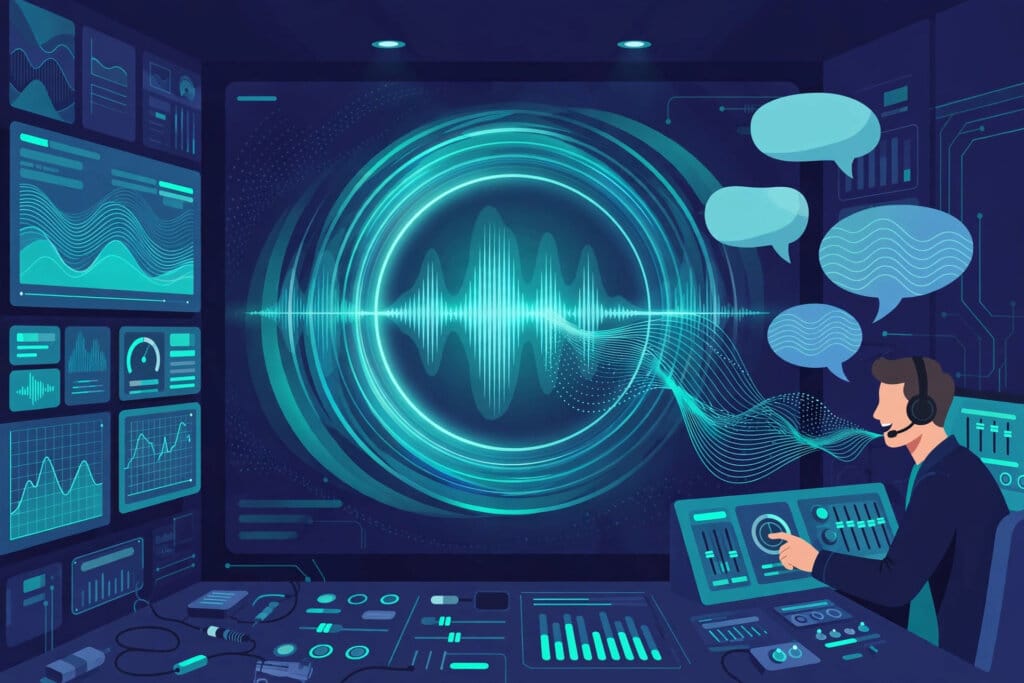
ElevenLabs has released an alpha version of ElevenAgents Architect, a conversational builder that lets teams create and repair voice and chat agents on its ElevenAgents platform using plain-language requests instead of code or dashboard menus. The company announced the feature on October 19, and it is available now in alpha to ElevenAgents customers.
Architect sits inside ElevenAgents, the enterprise platform companies use to run customer-facing voice and chat agents, and it can be driven by voice or text. A user describes the outcome they want, and the tool configures or changes the agent’s workflows, knowledge base, prompts, voice settings and guardrails to match, ElevenLabs said.
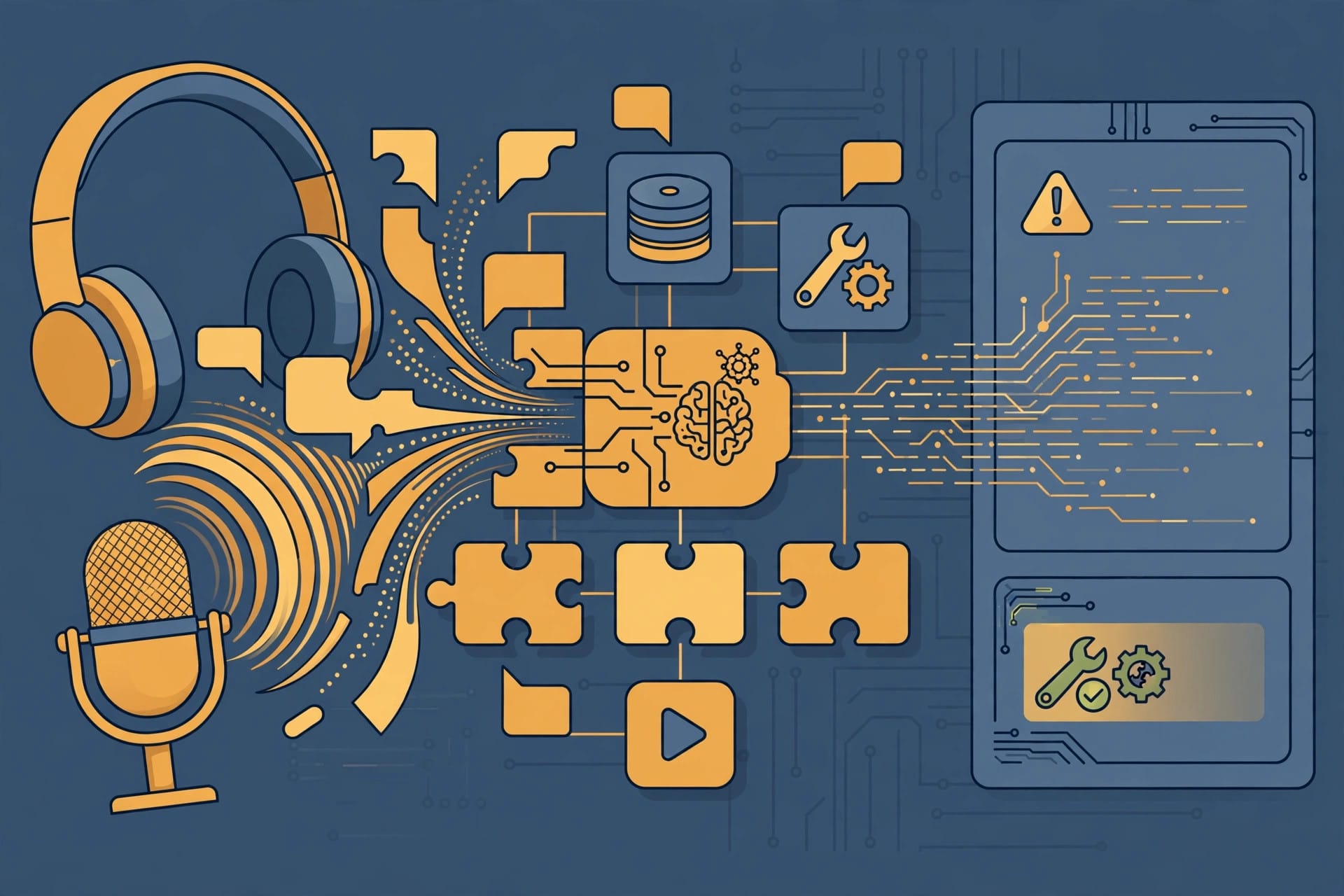
ElevenAgents Architect Builds And Edits Agents From A Conversation
The feature is designed around a single conversation. Starting from a general question such as how to raise the resolution rate for customer refund requests, a team can identify the root cause of a problem and implement an agent change reflecting it, all within the same exchange, the company said. Describing a new customer experience is enough for Architect to build it at the level a specialist would, according to ElevenLabs.
Architect carries built-in knowledge of how the configurable elements inside ElevenAgents interact, including knowledge bases, prompts, workflows, voice settings and guardrails, along with the platform’s best practices. When a user describes a desired outcome, it generates the appropriate settings and procedures on its own rather than asking the user to assemble them piece by piece.
ElevenAgents Architect Analyses Conversation Logs And Validates Changes In Simulation
The repair side of the tool works from operating data. Architect analyses thousands of agent conversation logs at once to find problems in existing workflows that operations teams may have missed, and it also takes in failed tests, spikes in enquiries and signals from ElevenAgents Spotlight, the platform’s issue-detection feature, ElevenLabs said.
Suggested changes are validated through simulation before they are applied. Changes made in the dashboard are saved as drafts and take effect only after user review, and ElevenLabs’ documentation says Architect’s edits appear in the same draft, diff and version history as manual edits, with nothing reaching live callers until a person publishes the draft. Changes made through external AI tools may be applied directly, depending on each tool’s approval settings.
ElevenAgents Architect Works From ChatGPT, Claude Code, Cursor And Grok
The alpha also reaches outside ElevenLabs’ own dashboard. The feature works with outside AI tools including ChatGPT, Claude Code, Cursor and Grok, so users can build and manage ElevenAgents from the AI services they already use, the company said.
ElevenLabs’ documentation lists the alpha’s current limits: it is not available in every data residency environment, attaching files requires a Creator plan or higher, idle sessions end after five minutes (fifteen on Enterprise), and conversation analysis is capped at one hundred conversations per user per minute. The documentation also says the alpha is free through October 2026 and does not count against agent minutes or model costs, and that Architect chats are not covered by the platform’s Zero Retention Mode. ElevenLabs said it plans to strengthen Architect’s ability to spot improvement opportunities on its own and propose draft changes together with validation results. The wider agent landscape it is entering is the one set out in our explainer on what AI agents are and how they work.
Why It Matters
The central entity here is ElevenAgents Architect, and its neighbours explain the move. ElevenAgents is the enterprise agent arm of the voice platform described in our explainer on what ElevenLabs does, and agent operations, not agent creation, is where enterprise deployments usually stall: a support agent that mishandles refunds or misses a policy detail has to be diagnosed from thousands of real conversations before anyone can fix it. Architect turns that diagnosis-and-repair loop into the product, which shifts competition among agent platforms from how fast an agent can be built to how continuously it can be operated and controlled. The cross-tool access matters for the same reason: by letting teams manage agents from ChatGPT, Claude Code, Cursor or Grok, ElevenLabs lowers the lock-in objection that keeps enterprises from committing to a single vendor’s dashboard. The commercial logic connects to how ElevenLabs makes money from agents and enterprise deals: tools that keep deployed agents improving are tools enterprises keep paying for. The governance caveat is real, though. Changes pushed through external tools can apply directly under some approval settings, so regulated customers will need to set their approval levels deliberately, a point outside practitioners quoted in the announcement also raised.
Background
ElevenLabs began as a text-to-speech company and grew into a broader voice platform covering dubbing, audiobooks and conversational agents; its ElevenAgents product is the enterprise platform businesses use to run voice and chat agents that handle customer conversations. Architect is the company’s attempt to make those agents self-improving in practice: an embedded expert that watches how agents perform, finds where they fail and drafts the fix, leaving a human to approve what goes live.
Source: Seoul Economic Daily; Digital Today; BigGo Finance — all reporting ElevenLabs’ October 19 announcement, with feature limits and draft behaviour as described in ElevenLabs’ ElevenAgents Architect documentation.

0 Comments